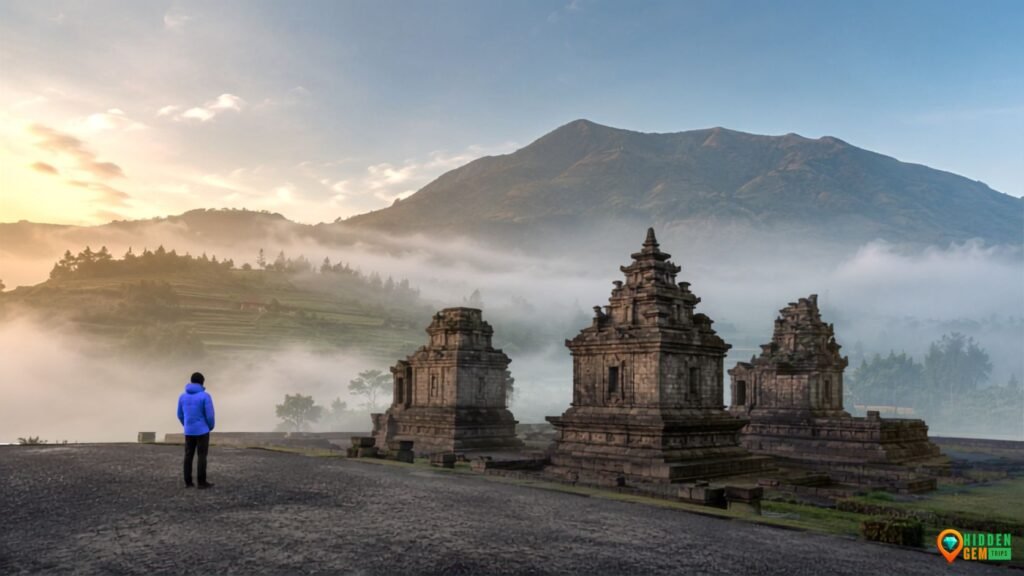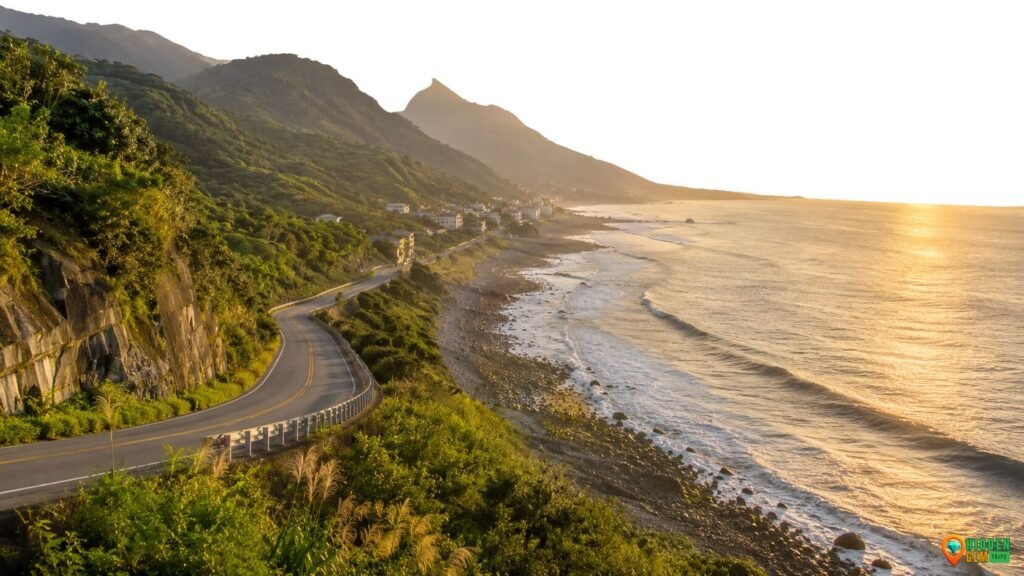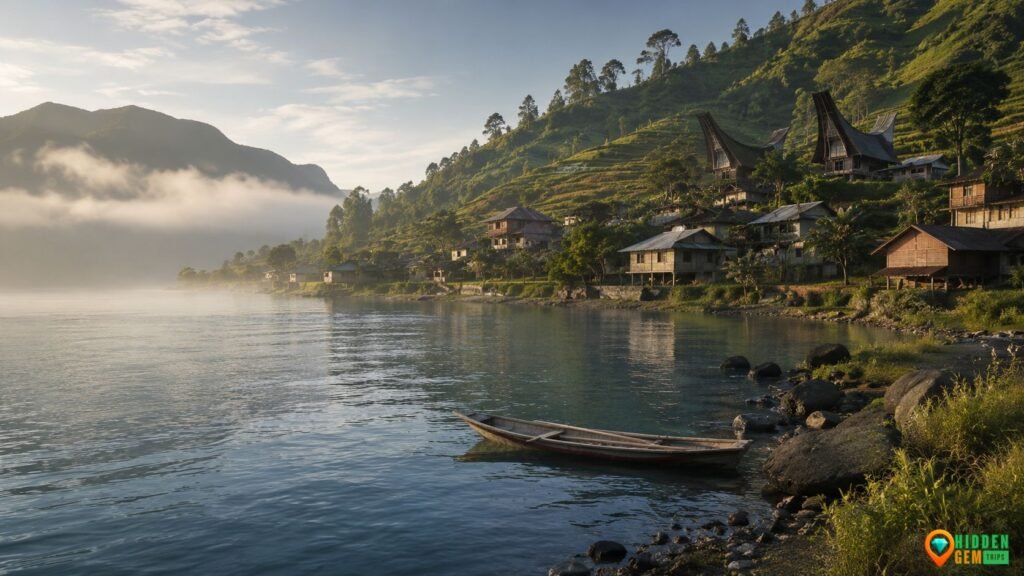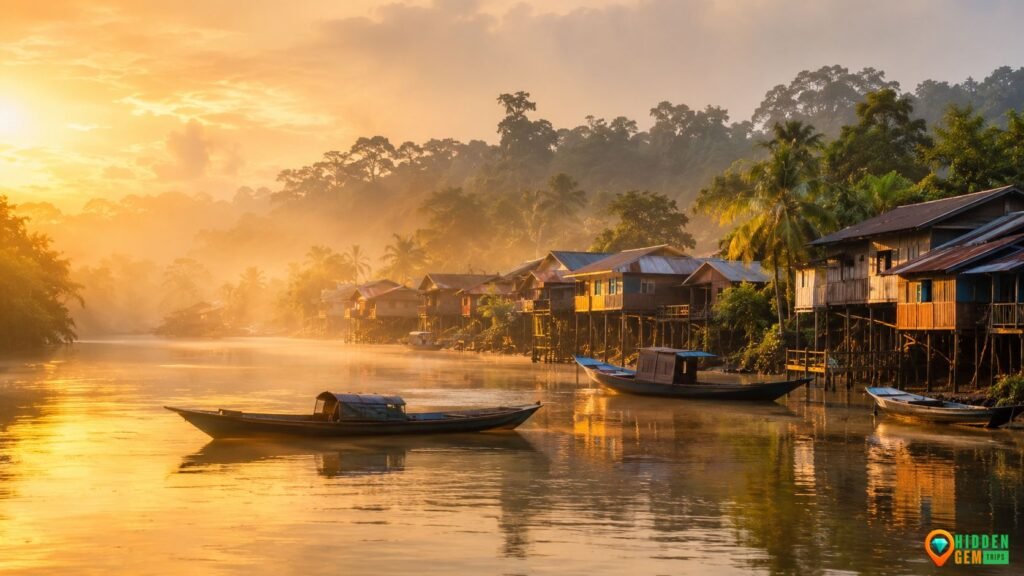

For decades, the mere mention of “Indonesia” immediately conjured highly specific, algorithmic images: the emerald, terraced rice paddies of Ubud, the chaotic, pulsating energy of Seminyak’s beach clubs, or the prehistoric allure of the Komodo dragons. But as we move deeply into 2026, a massive, undeniable seismic shift has occurred. The savvy, modern traveler is no longer looking for the perfectly curated, hyper-sanitized Instagram backdrop; they are actively looking for friction. They want raw, visceral experiences that haven’t been diluted, packaged, or sterilized by mass tourism.
If you are beginning to research Sumba Island travel, you are stepping directly into the epicenter of this global shift. Twice the size of Bali but carrying only a fraction of its environmental and physical footprint, Sumba has successfully transitioned from a heavily guarded, niche surfer’s secret to the absolute global gold standard for Regenerative Travel.
Having personally spent the last three months navigating the brutal, spine-rattling limestone tracks of West Sumba, I have seen firsthand how this island is achieving what Bali tragically couldn’t: it is growing exponentially without losing its ancient, complex soul. It is, without a doubt, the undisputed crown jewel among Indonesia's remaining frontiers. For a broader context on how this island fits into the national landscape, it is highly beneficial to understand how to seamlessly uncover underrated domestic destinations across the archipelago.
The Great Migration from Over-Tourism
To truly understand the meteoric rise of Sumba Island travel, we must first look at the deep psychological exhaustion of the modern tourist. Travelers are profoundly burned out by two-hour traffic jams just to see a single temple, exorbitant entrance fees for crowded waterfalls, and the tragic loss of authentic cultural interaction. The philosophy of slowing down your global exploration is no longer a luxury; it is a neurological necessity. The antidote to travel fatigue is profound isolation and deliberate pacing, and Sumba provides exactly that.
We live in an era where digital noise is constant. As a digital entrepreneur who relies heavily on screen time, stepping onto Sumba feels like a massive reset for neuro-plasticity. The sheer lack of commercial development forces your brain to recalibrate. You are no longer reacting to notifications; you are responding to the environment.
The Death of Sustainability, The Birth of Regeneration
In 2026, the word “sustainable” has become a tired, corporate buzzword used to greenwash mediocre hotel chains. Sustainability merely implies maintaining the current status quo, which, in many parts of the developing world, is already broken. Sumba, however, has entirely skipped that passive phase and gone straight to Regenerative Tourism.
When you embark on Sumba Island travel, you aren’t just trying to “minimizing impact”. You are participating in an active ecosystem of restoration.
The Philanthropic Blueprint of the Sumba Foundation
The island operates on a revolutionary micro-economic model—championed by pioneers such as the legendary Nihi Sumba resort—where a significant percentage of tourism profits is injected directly into grassroots NGOs like the Sumba Foundation.
During my extended stay in the coastal district of Wanokaka, I witnessed how these tourism dollars were actively and aggressively eradicating malaria in isolated local villages. The World Tourism Organization (UNWTO) produced a detailed research in 2025 that said “Regenerative Travel” has become 45% more popular among Gen Z and Millennial travelers. Sumba isn’t just lazily following this global trend; it is single-handedly defining it. Every night you spend on this island directly contributes to funding a local health clinic, building a school, or establishing a clean water project. This is travel as a profound act of socio-economic restoration.
Navigating the Cost: High-End vs. Hidden Hacks
Because of its association with exclusive eco-resorts, there is a pervasive, intimidating misconception that Sumba Island travel is reserved exclusively for the ultra-wealthy. While it certainly hosts some of the world’s most expensive, highly-awarded properties, the ongoing “Sumba Revolution” has also kicked the doors wide open for conscious, mid-range backpackers and digital nomads.
If you are deeply concerned about the financial logistics of exploring this frontier, you can easily apply advanced financial hacks and local navigation tactics to make this island highly accessible. By hiring independent local guides directly in Tambolaka and opting to stay in community-run homestays (especially prevalent in East Sumba), you can experience the absolute raw beauty of the island for a mere fraction of the cost of a luxury villa. This is the very definition of utilizing geo-arbitrage to secure world-class opulence on a manageable budget.
Sumba's Two Economies
The island has two main economic levels that serve quite different types of travelers to Sumba Island:
- The Luxury Frontier: Places like Sanubari and Nihi offer stunning, ultra-luxury experiences for more than $1,000 a night. These are for people who want complete privacy and carefully planned perfection.
- The Local Immersion: Staying in a traditional home in a town like Waikabubak or Waingapu costs between $25 and $50 per night. These accommodations offer a level of raw, unfiltered authenticity that you simply cannot manufacture at a five-star resort.
The Marapu Culture: An Unfiltered Window to the Past
Unlike the highly performative, heavily commercialized cultural displays frequently seen in major tourist hubs (where dances are timed perfectly for dinner service), Sumba’s Marapu religion—a complex, ancestral animist faith—is woven invisibly into the very fabric of daily life.
The Megalithic Reality and Jungian Shadows
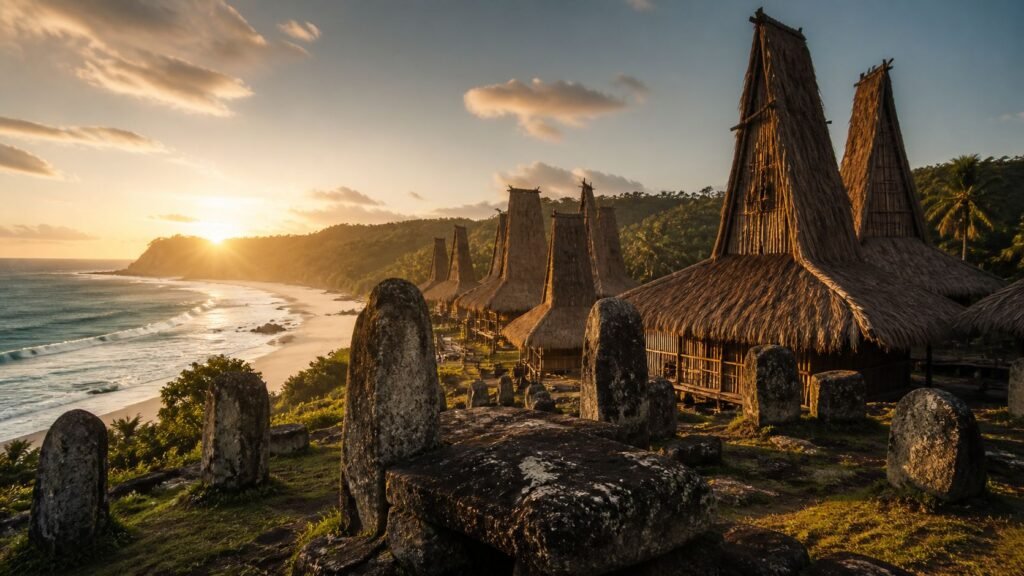
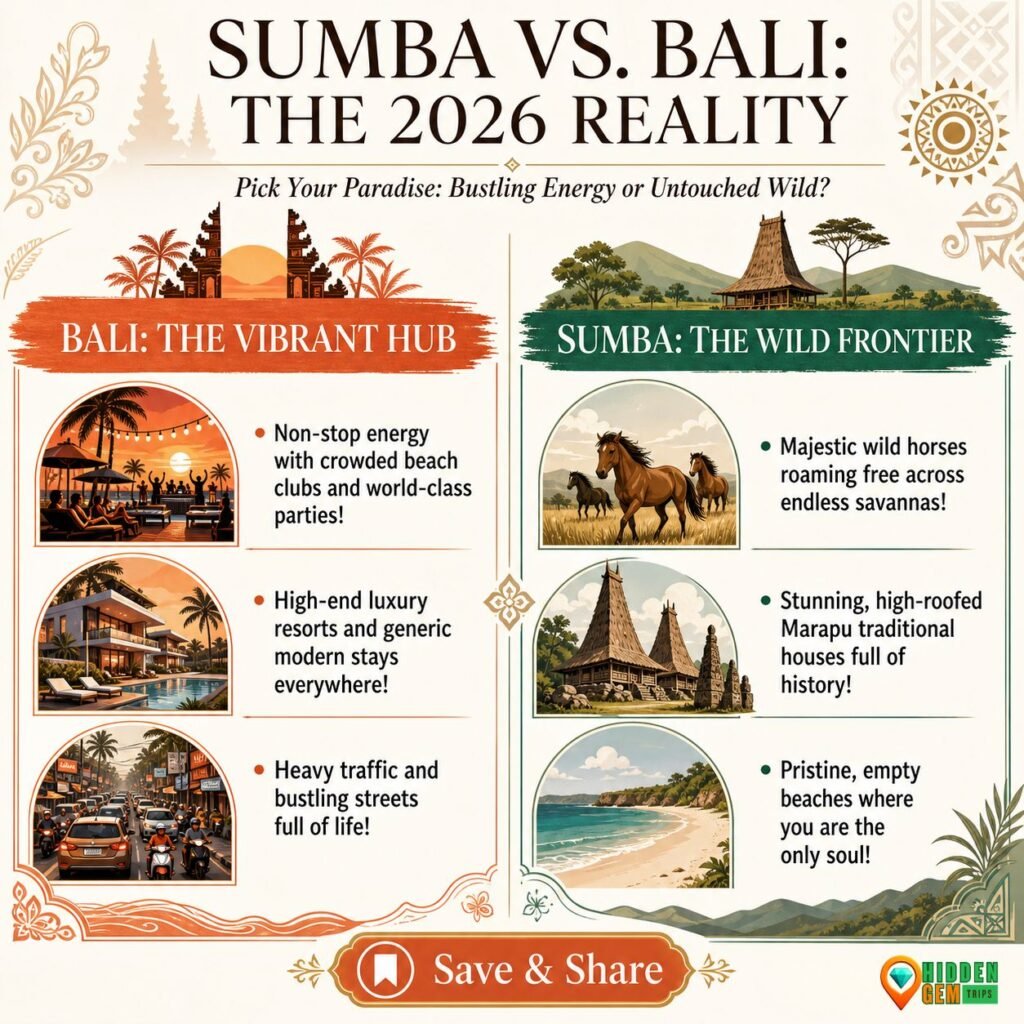
Sumba is one of the absolute last remaining places on planet Earth where megalithic burials are not just historical ruins, but a vibrant, living tradition. Walking through the remote village of Ratenggaro, with its iconic, towering high-roofed houses reaching up to an astonishing 20 meters into the sky, feels like stepping out of a time machine.
During my visit, I sat on a woven mat with a respected village elder named Ambu. Chewing betel nut, he calmly explained that the massive roofs are built so incredibly high to provide a sacred place for the spirits of their ancestors to reside. In Sumba, the dead are never truly gone; they are your permanent neighbors. The massive, multi-ton stone tombs located directly in the center of the villages are not silent “monuments”; they are active, dynamic sites of daily conversation, sacrifice, and ritual.
From a psychological standpoint, observing the Marapu culture is fascinating. Carl Jung spoke extensively about the “Shadow” and the collective unconscious. In the West, we hide death in sterile hospitals and manicured cemeteries. In Sumba, death is integrated directly into the center of the living space. Confronting this reality forces the traveler to engage in their own shadow work, breaking down modern anxieties about mortality and legacy.
The 2026 Luxury “Unplugged” Trend
When Bali and Jakarta constantly struggle with digital congestion and the overwhelming visual noise of 6G infrastructure, Sumba Island travel offers what I have come to call “The Luxury of Silence”. In 2026, the ultimate status symbol for the elite traveler isn’t seamless connectivity; it is the sheer lack of it. Disconnecting allows your nervous system to recover from constant dopamine hits, acting as a profound cognitive reset.
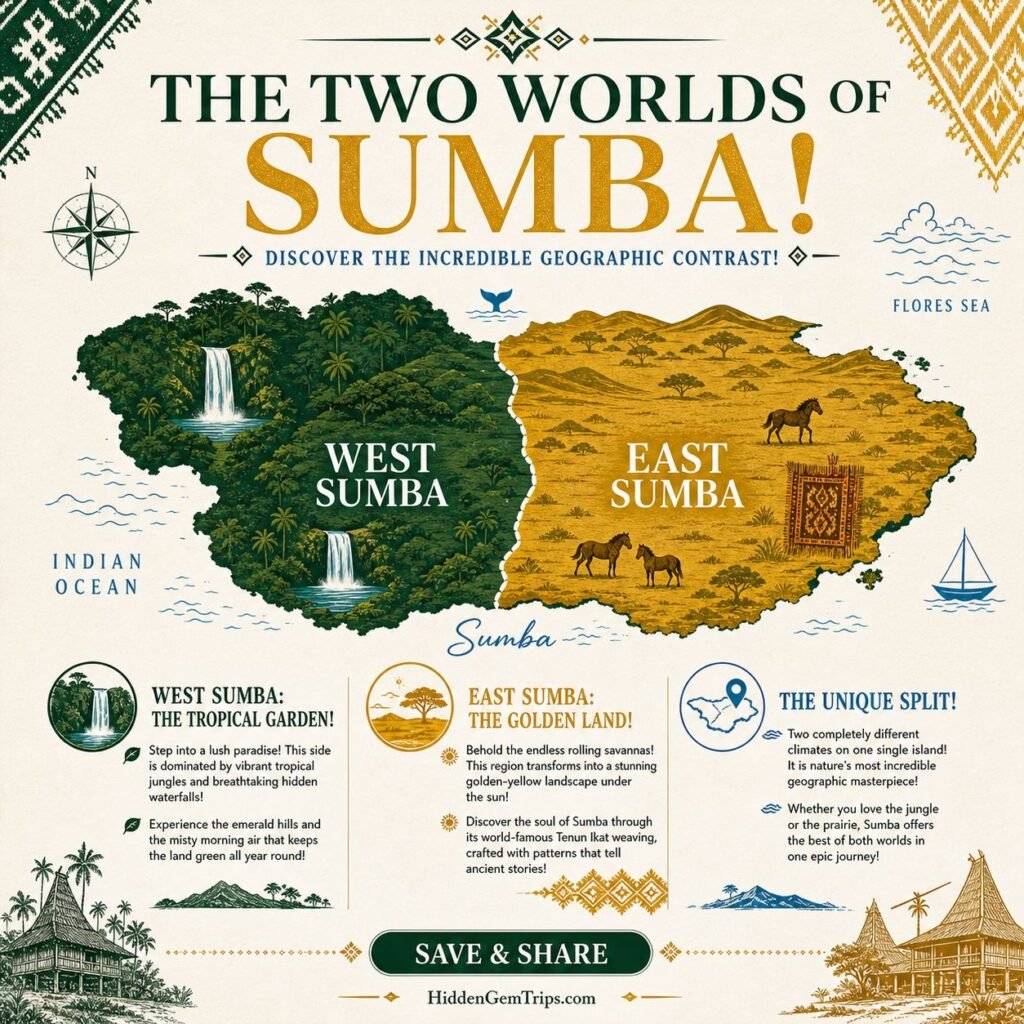
Geographic Diversity: East vs. West
To truly understand the logistics of Sumba Island travel, you must realize you are essentially dealing with two entirely different worlds on one landmass:
- West Sumba (The Lush Wild): This region is defined by rolling green hills, impossibly thick jungles, and the most dramatic, crashing waterfalls in the archipelago, such as Lapopu.
- East Sumba (The Arid Savanna): This side of the island is visually reminiscent of the deep African plains. The sprawling Wairinding Hills offer a golden landscape so vast and intensely quiet that you can quite literally hear your own heartbeat.
Marine Biodiversity and Zone 2 Cardio: The Frontier Reefs
While the famous Coral Triangle is well known to global divers, Sumba’s treacherous southern coastline has historically remained a terrifying, untapped frontier. Because the ocean currents here are notoriously strong and unpredictable (a phenomenon known as the “Sumba Swell”), only the most hardened, experienced surfers dared to venture here in the past. If you are a surfer looking for other isolated breaks, exploring secret spots in Rote Island provides a similarly wild experience.
However, in 2026, highly specialized, eco-friendly dive operators have successfully mapped out “The Blue Holes of Sumba,” a breathtaking series of underwater limestone caves. According to recent, groundbreaking studies published by the Indonesian National Research and Innovation Agency (BRIN), data heavily suggests that Sumba’s deep-water reefs may actually be far more resilient to global coral bleaching events due to massive, cooling deep-water upwellings surging from the Indian Ocean. For the traveler, this translates to exploring vibrant, hyper-healthy coral gardens that appear to belong entirely to a pre-climate-change era.
Furthermore, trekking to these hidden bays offers incredible opportunities for Zone 2 cardio. Hiking through the undulating limestone hills for two hours just to reach a secret beach builds immense mitochondrial density, turning your Sumba Island travel into a highly effective longevity protocol. For other remote archipelagos that require physical exertion to reach, you might consider charting a route to the Banda Islands.
The Science and Soul of the “Sumba Ikat”
Your Sumba Island travel itinerary is absolutely incomplete without dedicating time to witnessing the creation of ikat handwoven textiles, which serve as the ancient, visual blueprints of the Sumba soul.
This is absolutely not your standard “souvenir” weaving. The complex dyes used in true Sumba ikat are meticulously crafted from fermented indigo leaves and crushed kombu roots, an exhausting chemical process that can take years to perfect. In recognition of this extraordinary mastery, Sumba Ikat has been recognized under the UNESCO Intangible Cultural Heritage framework as a “Critical Zone” craft.
When you sit down to buy a piece directly from a master weaver in the village of Lambanapu, you aren’t just buying a piece of fabric to hang on your wall; you are investing in a deeply personal story that took 18 months to physically tell.
The Pasola Festival: Ritual Blood and Harvest
If your Sumba Island travel happens to fall in the notoriously wet months of February or March, you might be lucky enough to witness the legendary Pasola. Be warned: this is absolutely not a choreographed “show” put on for tourists. It is a highly dangerous, intensely visceral ritual horseback spear-fighting tournament.
According to the strict tenets of the Marapu belief system, the human and animal blood spilled onto the dirt during the Pasola actively fertilizes the earth, guaranteeing a successful harvest for the coming year. It is incredibly loud, wildly chaotic, and profoundly moving. Standing on the edge of the field, watching hundreds of screaming, bareback horse riders charge across the muddy plains of Kodi or Lamboya is a stark, adrenaline-fueled reminder that the modern world still holds terrifyingly beautiful pockets of ancient, untamed energy.
The Ethical Dilemma: Can Sumba Survive Its Own Popularity?
As a travel editor, I constantly recognize the inherent irony of my profession: by enthusiastically writing about “Hidden Gems,” we actively risk exposing them to the very destructive economic forces that ultimately ruin them. However, Sumba is built differently.
The strict, ancestral land ownership laws (where land is communally owned by the village, not individuals) and the sheer logistical difficulty of the rugged terrain make it almost entirely “Bali-proof”. Furthermore, the Indonesian government’s 2026 “Five Super Priority Destinations” master plan has highly strategically limited the total number of hotel building permits issued in Sumba specifically to prevent the unchecked “Seminyak-fication” of its pristine coastline. This aggressive legislative protection ensures that Sumba remains a high-value, low-impact destination for decades to come.
Practical Guide for the 2026 Traveler
Executing a flawless Sumba Island travel itinerary requires meticulous preparation. I highly recommend using a “Second Brain” digital framework to organize your flights, homestay contacts, and offline maps before you ever leave home. The infrastructure in Sumba has certainly improved over the last five years, but it still serves as a natural “filter” that actively keeps lazy, mass tourism at bay.
Logistics: How to Get There and Stay
- Flights: You can now take direct, easy 60-minute domestic flights from Bali (DPS) directly into either Tambolaka (TMS) in the West, or Waingapu (WGP) in the East.
- Transport: Forget renting a cute scooter. The roads here are brutal and unforgiving. You absolutely need to hire a 4×4 vehicle or a seasoned local driver who intimately understands the chaotic monsoon weather patterns.
- Connectivity: While major towns have a cellular signal, the absolute best parts of Sumba are total “Dead Zones”. Mentally prepare yourself to be completely offline for 3-4 days at a time.
What to Pack for the Frontier
Packing for Sumba requires a tactical approach. Be sure to review our comprehensive gear list for remote island expeditions and our pro secrets for packing minimalist gear. For Sumba in particular:
- Anti-Malaria Precautions: Malaria is still present in rural and jungle areas, even if cases are slowly going down. Always consult the World Health Organization (WHO) guidelines and your doctor for prophylaxis.
- High-Capacity Power Banks: Off-grid homestays often rely entirely on solar power, which can be highly intermittent during the wet season.
- Physical Cash: Outside the two main towns, your credit cards are entirely useless. Bring enough Rupiah in small denominations.
The Bottom Line
We currently live in a highly synthesized era where Artificial Intelligence can instantly generate a flawless, pixel-perfect image of a tropical beach. But AI cannot replicate the sharp smell of sandalwood smoke drifting through a Marapu village, nor can it recreate the shock of the salt spray from the Indian Ocean hitting your face on a limestone cliff at 5:00 AM.
Sumba Island travel in 2026 is the ultimate antidote to the crushing digital fatigue of our modern lives. It is a place where you don’t just casually “see” a destination; you are physically and spiritually confronted by it. It violently demands your absolute attention, your deep respect, and your unwavering presence. If you are just looking for a trendy beach club and a cheap mojito, please, go to Bali. But if you are desperately looking to remember what it actually feels like to be an honored guest on a wild, ancient earth, Sumba is waiting.
Frequently Asked Questions (FAQ)
1. Is Sumba Island travel safe for solo female travelers?
Yes, but it strictly requires far more logistical planning than a trip to Thailand or Bali. The local community is incredibly welcoming and protective, but English is not widely spoken at all outside of the high-end resorts. Hiring a vetted local guide/driver is the absolute best way to navigate the island safely and respectfully.
2. What is the best month to execute a Sumba Island travel itinerary?
The island's aesthetic completely changes with the seasons. For the iconic, lush green rolling landscapes, you must visit right after the rains in February or March. If you prefer the stark, golden savanna look and significantly better, drier trekking conditions, the window from May to October is ideal.
3. Is there reliable internet in Sumba?
The internet is reliably available only in the main towns (Waingapu and Tambolaka) and at the high-end luxury resorts. If you are venturing into the villages, consider this a forced “Digital Detox” destination.
4. How many days do I need to explore Sumba?
Because of the massive size of the island and the slow driving times between the East and West, you need an absolute minimum of 7 days to even scratch the surface. A 10 to 14-day itinerary is highly recommended if you want to experience both the jungles and the savannas without burning out.
5. Are the megalithic villages open to tourists?
Yes, but they are not public museums; they are private, active homes. You must always be accompanied by a local guide who understands the intricate social etiquette. Visitors are typically expected to bring an offering (such as betel nut) and make a small cash donation to the village chief before entering a Marapu community.
Disclaimer
The cultural insights, logistical information, and economic data provided in this article deeply reflect ground conditions as of February 2026. Sumba is a highly rugged, rapidly developing frontier destination. Infrastructure, domestic flight schedules, and weather accessibility can change violently and without notice. Travelers are strictly advised to purchase comprehensive travel medical insurance (especially covering remote evacuation) and actively consult official local authorities for the latest safety, road, and health protocols before departing. To keep our editorial research free, this article contains affiliate links; booking through them costs you nothing extra but helps fund our continued exploration of the world's greatest hidden gems.