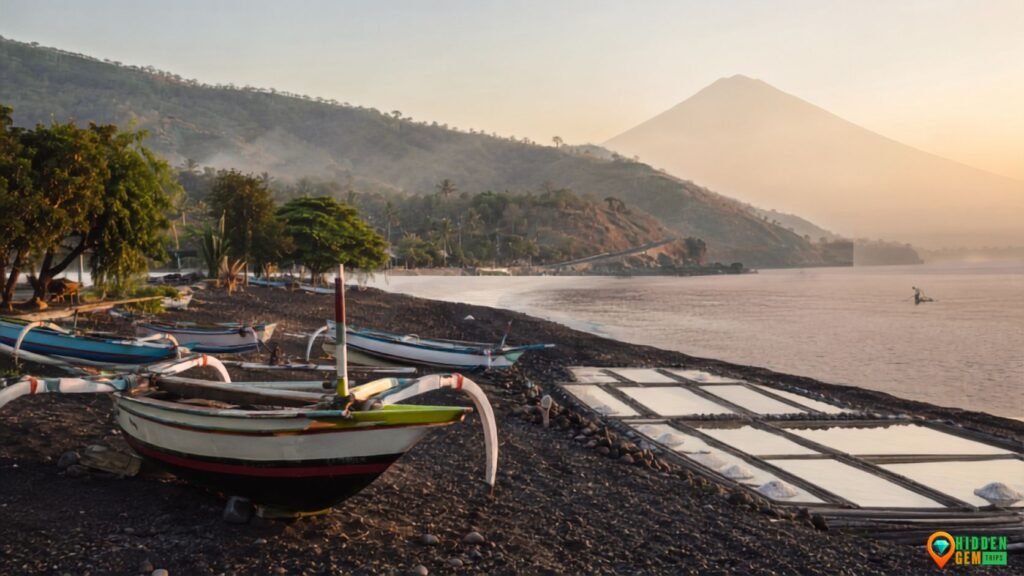

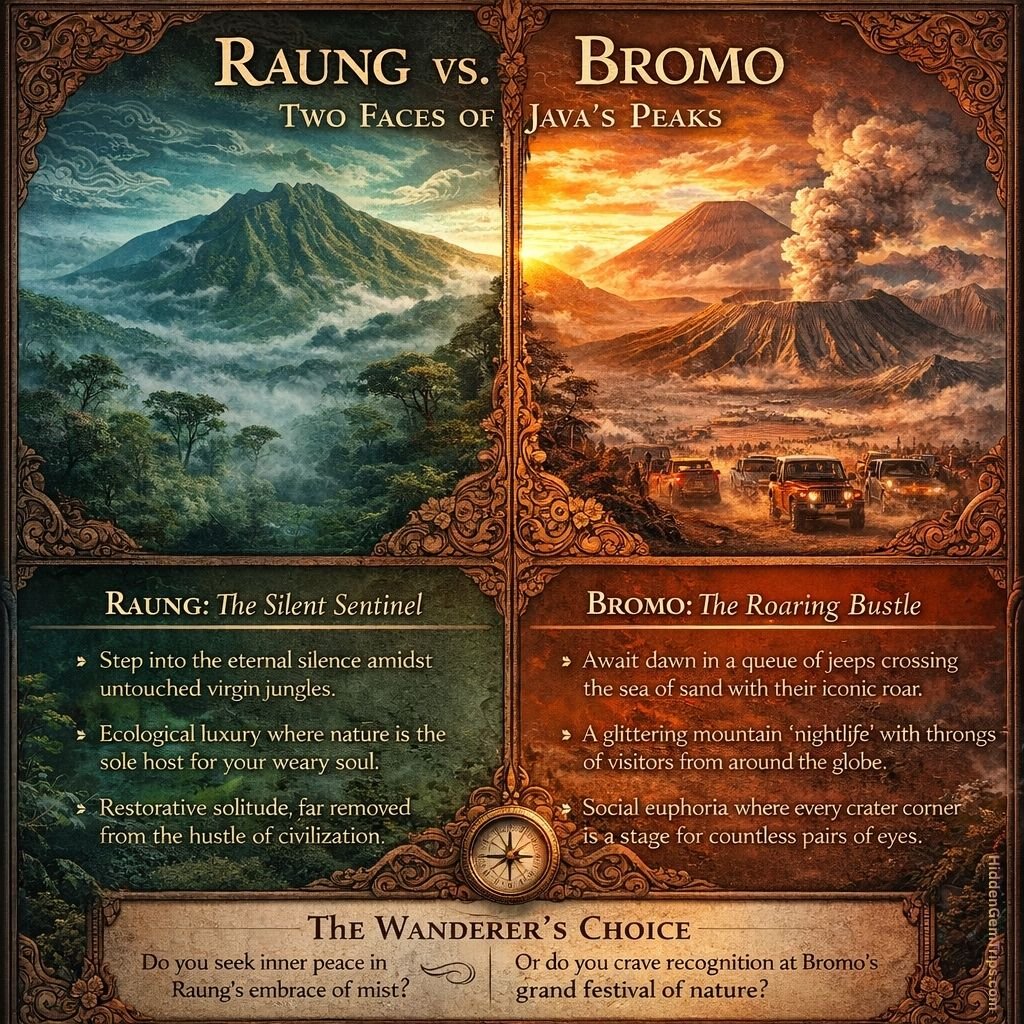
Mount Bromo is all show; Mount Raung is all challenge. While crowds chase Bromo’s famous sunrise in jeeps, the real adventure lies east—where summiting Raung demands sweat, skill, and unfiltered willpower. This Mount Raung guide cuts through the noise to explain why Raung’s challenge is worth it for those who truly seek adventure.
If you’ve navigated untouched paradises in a crowded world, Raung stands as your ultimate test in East Java. Towering at 3,332 meters with a 2-kilometer-wide alien caldera, there are no easy rides—just you, a harness, and a relentless 17-hour climb through wild terrain.
The Brutal Truth: Why Mount Raung is Not for Everyone
Other travel blogs may downplay Indonesian peaks, but I won’t. Raung is objectively dangerous. It is categorized by the Center for Volcanology and Geological Hazard Mitigation (PVMBG) as one of the most active volcanoes in the region. Hiking here requires total focus—one error on the summit ridge could be fatal. This isn’t tourism; it’s survival.
The Vertical Jungle: Pos 1 to Pos 7
The journey begins at a deceptive pace. You start in the lush coffee plantations of Kalibaru, but the trail quickly transforms into a vertical wall of vegetation. Unlike the groomed paths of the High Tatras, Raung’s trail is a tangled web of roots and mud that requires you to use your hands as much as your feet. This 1,500-meter ascent is a test of your best travel gear for island trips, specifically the breathability of your trekking layers and the grip of your boots. But gear alone won’t get you to the top—you need the right mindset and skills.
Physical and Mental Prerequisites for the Ascent
You do not “hike” the summit of Raung; you climb it. Before attempting this, you should have experience with high-altitude trekking, such as a hike in the Simien Mountains.
- Cardio Endurance: You will be climbing nearly 2,000 meters of vertical gain over two days.
- Mental Fortitude: The “Shiratal Mustaqim” ridge is only 50cm wide with 500-meter drops on both sides.
- Technical Skill: Basic knowledge of rappelling and carabiner use is mandatory.
Planning Your Mount Raung Guide Expedition: Logistics and Gear
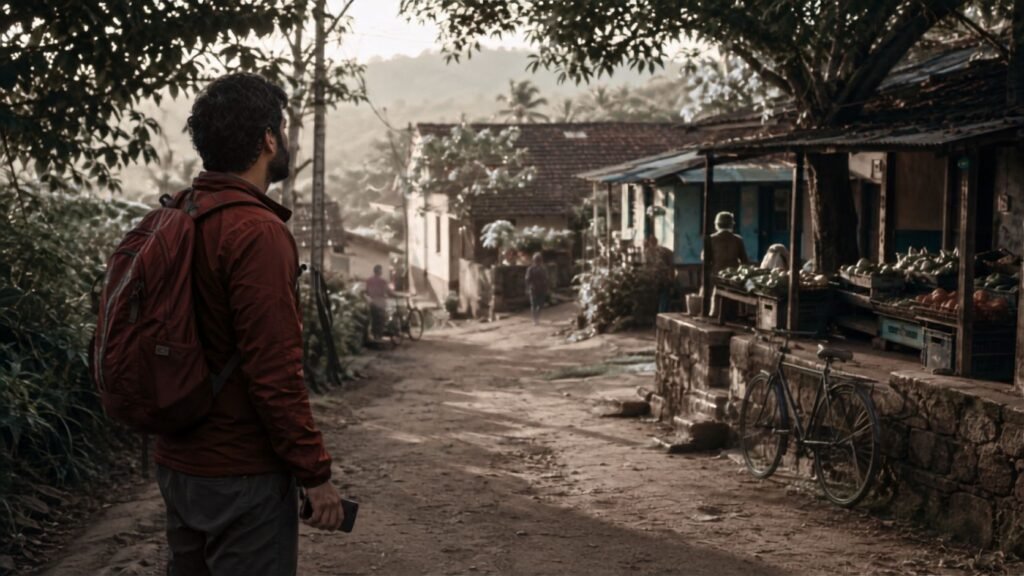
Logistics for Raung start in the small village of Kalibaru. Unlike the polished tourism industry in Bali, the community here is raw and authentic, much like the locals in Koh Kood. Once logistics are sorted, you must prepare for Raung’s most notorious section.
Navigating the Technical “Knife-Edge” Ridge
The path from Basecamp 7 to the summit (Puncak Sejati) is where the “guide” part of this Mount Raung guide becomes life-saving. You will see the “Tusuk Gigi” rock spire and the well-known knife-edge ridge. The wind here can gust up to 60km/h, making balance nearly impossible. According to National Geographic’s reports on volcanic activity, the shifting gases and loose scree of active craters like Raung require constant monitoring. Facing these dangers, your survival depends on your gear.
Essential Survival Gear for East Java Volcanoes
Mount Raung requires targeted gear: a harness, helmet, gas mask for sulfur, grippy boots, 6-8 liters of water, and an ultralight pack. Every extra kilo will slow you significantly on steep sections.
- Climbing Harness and Helmet: Falling rocks are a greater threat than the climb itself.
- Gas Mask: Depending on the wind, the sulfur fumes at the top can be overwhelming.
- Technical Footwear: For the scree slopes, you need boots that grip well.
- Hydration Control: You can’t get water on the mountain; thus, you need to bring at least 6–8 liters.
- Packing Light: You must master the secrets of packing light because every extra kilo feels like ten on the vertical sections. Climbing Raung requires more than just gear; you also need to recognize the mountain’s deeper meaning.
The Spiritual and Moral Side of Raung: Beyond the Crater
The Javanese and Balinese people who live around Raung consider it a holy site where ancient ghosts dwell. Following the “rules of the mountain”—don’t shout, don’t trash, and always do what your local guide says—is important for responsible and long-lasting travel. Similarly, visiting Sumba also requires deep cultural respect.
The Porter Economy: Respecting the Real Giants
The porters on Mount Raung are legendary. They often carry massive loads up trails that western hikers struggle to navigate with 10kg packs. To travel in Indonesia like a local, you must respect their expertise. Tipping generously and treating them as partners in your expedition is part of being a conscious explorer.
The Geological Majesty: A 2-Kilometer Abyss
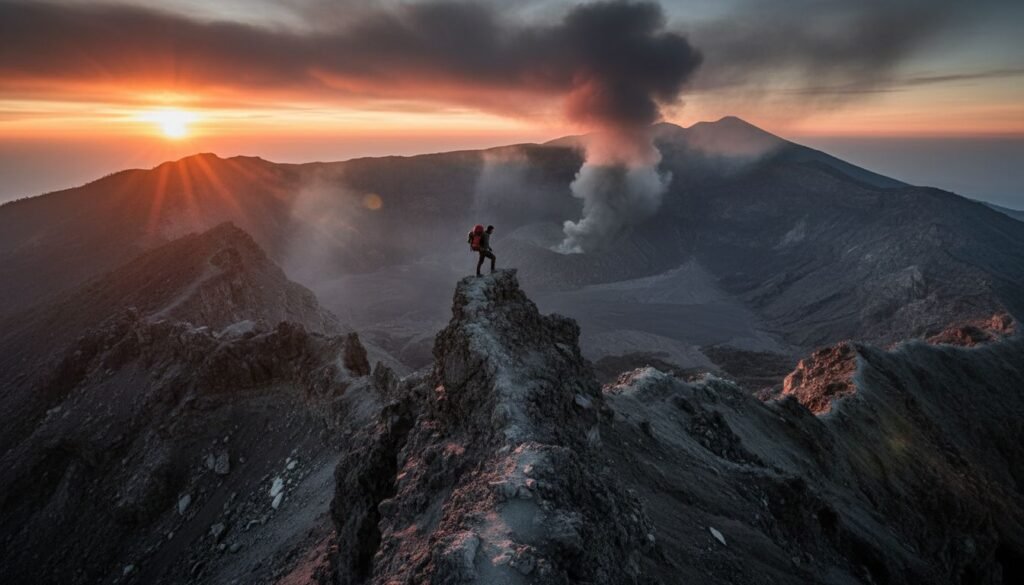
The caldera of Mount Raung is its defining feature. It is a massive circular depression formed over thousands of years by eruptions. From the edge, you can see the active vent far below, blowing white smoke against the black volcanic sand. This is not the sanitized version of nature you find at Bromo; this is the Earth’s raw, unshielded power. After witnessing the abyss, attention must turn to the exhausting descent.
Planning the Descent: The Toll on the Body
Many climbers forget that the summit is only the halfway point. The descent from Raung is a grueling 2,000-meter drop that will punish your knees and toes. The loose volcanic scree acts like ball bearings under your feet. Using trekking poles is non-negotiable on the descent, and properly breaking in your boots will prevent the “lost toenails” that are a common souvenir of this mountain.
Conclusion: Is the Summit Worth the Risk?
If you want a picture-perfect sunrise, Bromo delivers. But if you crave an authentic test of endurance, the Mount Raung guide is your route. At Puncak Sejati, you face unmatched wilderness and raw, honest beauty. Raung is not for everyone—but for some, it’s everything.
FAQ & Survival Disclaimer
1. Do I really need a climbing harness for Mount Raung?
Yes. To reach the true summit (Puncak Sejati), you must traverse exposed rock sections using a rope and harness for protection from fatal falls. Knowledge of basic climbing safety techniques is essential.
2. Can I hike Mount Raung solo?
No way. Local laws and common sense say that each group must have at least one local guide and one porter.
3. When is the best time to visit?
The time of year when it doesn’t rain (May to September). The “Knife-Edge” is a treacherous death trap during the wet season, and the police frequently seal it off.
4. How long does the hike take?
Usually, it takes three days and two nights. The push to the top starts around 2:00 AM on the second day and can take 12 to 15 hours to go back down.
5. Is there water on the mountain?
No. You must carry all your water from the basecamp. This is one of the most physically demanding aspects of the trek.
Survival Disclaimer
Mount Raung is an active volcano with high technical difficulty. Mountaineering involves inherent risks of injury or death. This guide is for informational purposes only. Always consult with BASARNAS (National Search and Rescue Agency) or local authorities for the current mountain status before attempting the climb.