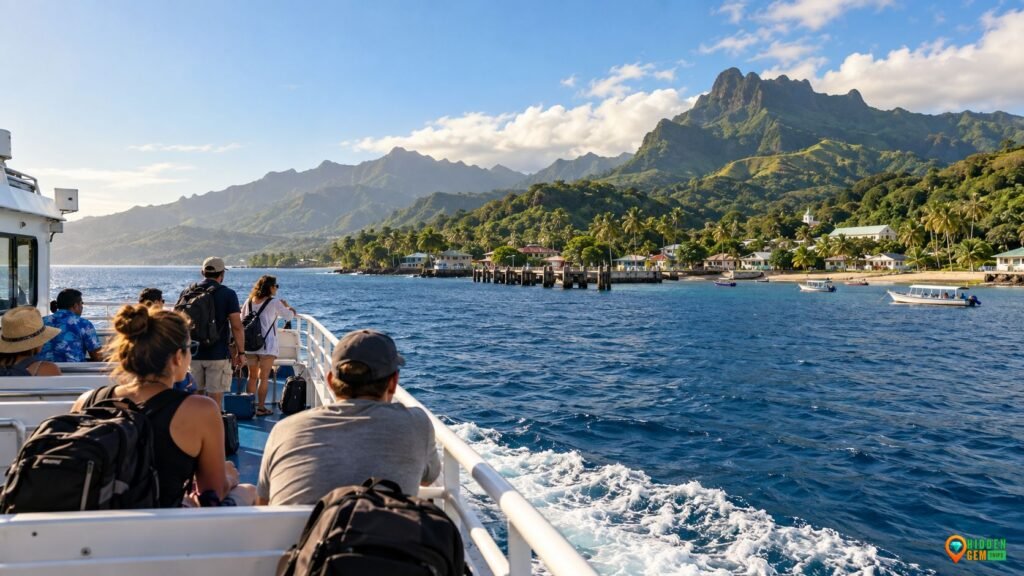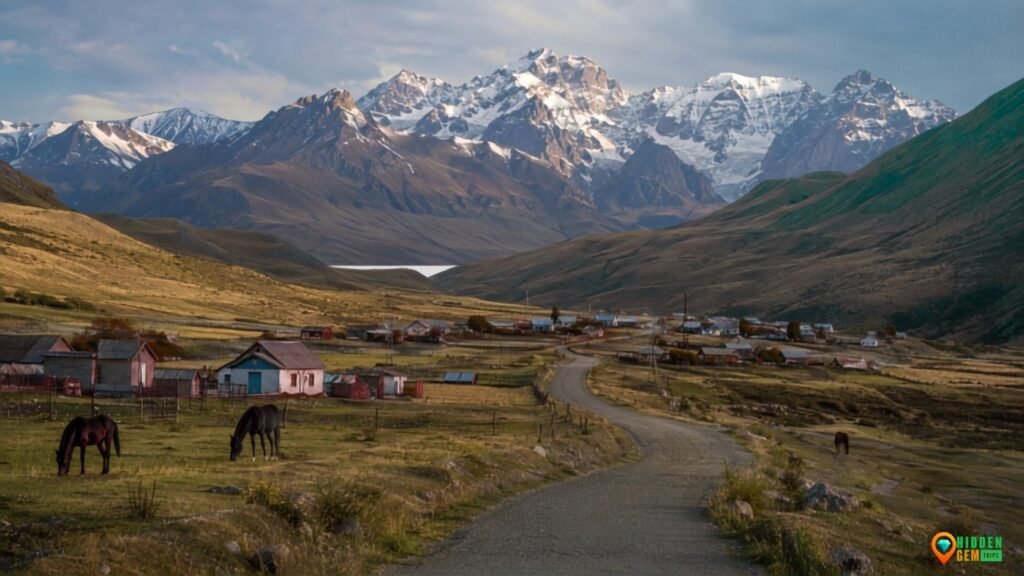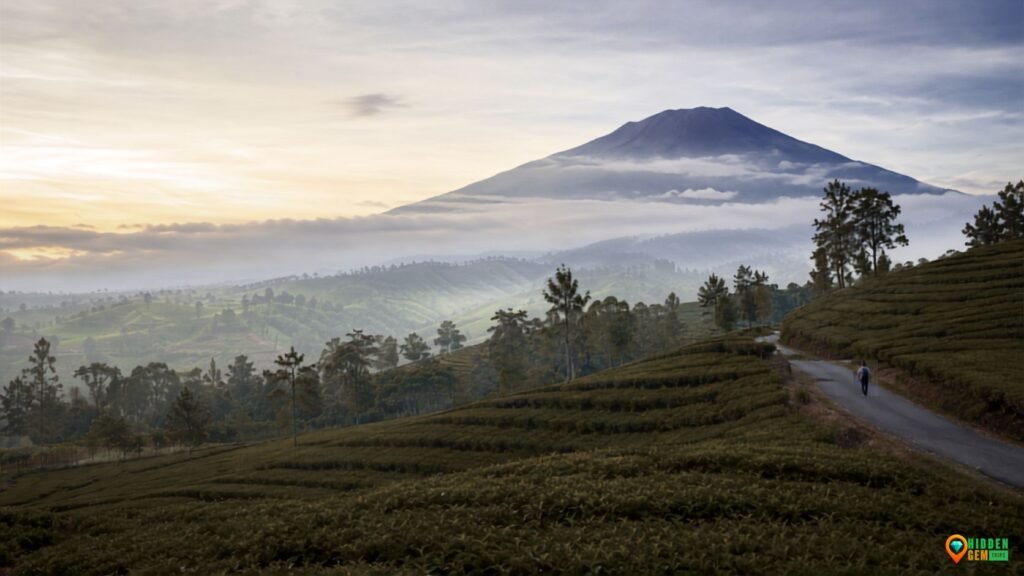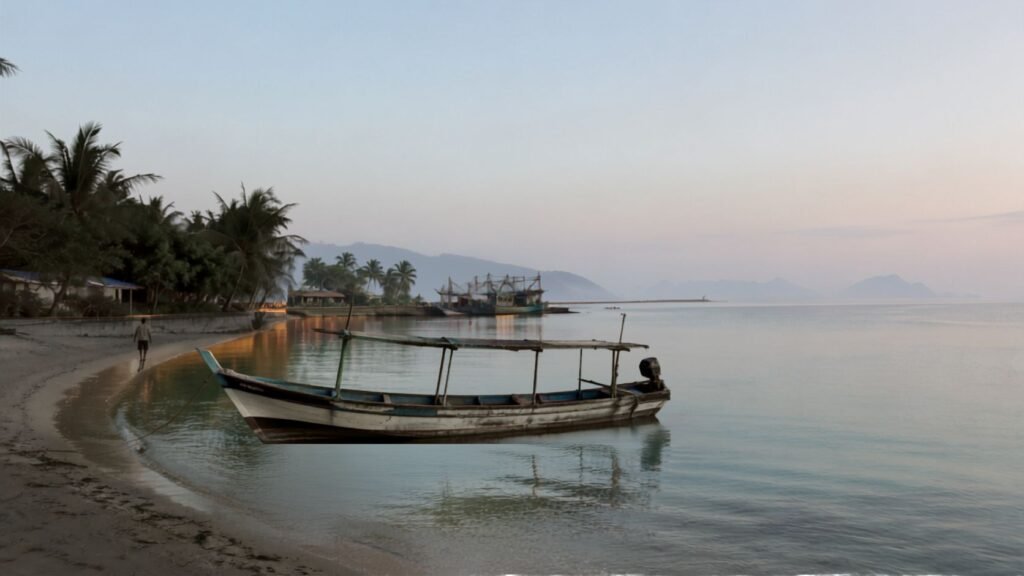

Slovenia Quiet Valleys are the answer for travelers who love the Lake Bled postcard but do not want their whole trip reduced to one viewpoint, one boat ride, and one overcrowded lakeside coffee. Bled is beautiful. It earned its fame the honest way: a blue lake, a cliffside castle, an island church, and mountains arranged like they were hired by a film crew. But Slovenia’s deeper magic often sits one valley away, behind a farm road, at the end of a bus line, beside a railway platform, or in a village where lunch still follows local hours rather than Instagram traffic.
This guide is not about “escaping tourists” as if we are somehow different from the people in the next rental car. We are tourists too. The better question is: where can a traveler go after Bled without overwhelming smaller communities, flattening local life into a backdrop, or rushing through the country like it is a scenery buffet? That question matters because Slovenia is no longer a sleepy side trip.
According to official 2025 tourism data from the Statistical Office of the Republic of Slovenia, the country recorded about 7 million tourist arrivals and more than 17.8 million overnight stays in 2025, up 6 percent from 2024. Bled itself is a major magnet: Bled municipality tourism statistics reported 499,659 arrivals and 1,216,324 overnight stays in 2025. Translation: the lake is not exactly waiting alone with a candle and a handwritten note.
The point is not to shame Bled. Start there if you want. Walk the lake early. Take the classic photo. Eat the cream cake if that is your thing. Then use Bled as a doorway, not a full stop. The valleys in this draft were chosen because they reveal a different Slovenia: glacial corridors with working farms, borderland villages shaped by wind and stone, rail valleys where the train is part of the experience, and alpine communities where a slow traveler can spend money without demanding that every corner perform for them.
If you have read our slow travel manifesto, you already know the HiddenGemTrips bias: the best trip is not the one that collects the most pins. It is the one that leaves enough attention behind to notice where you are. This article builds on that idea with a practical route through seven Slovenia quiet valleys beyond Bled, including where to go, how to move gently, when to arrive, what to skip, and how to avoid turning a quiet place into tomorrow’s tired trend.
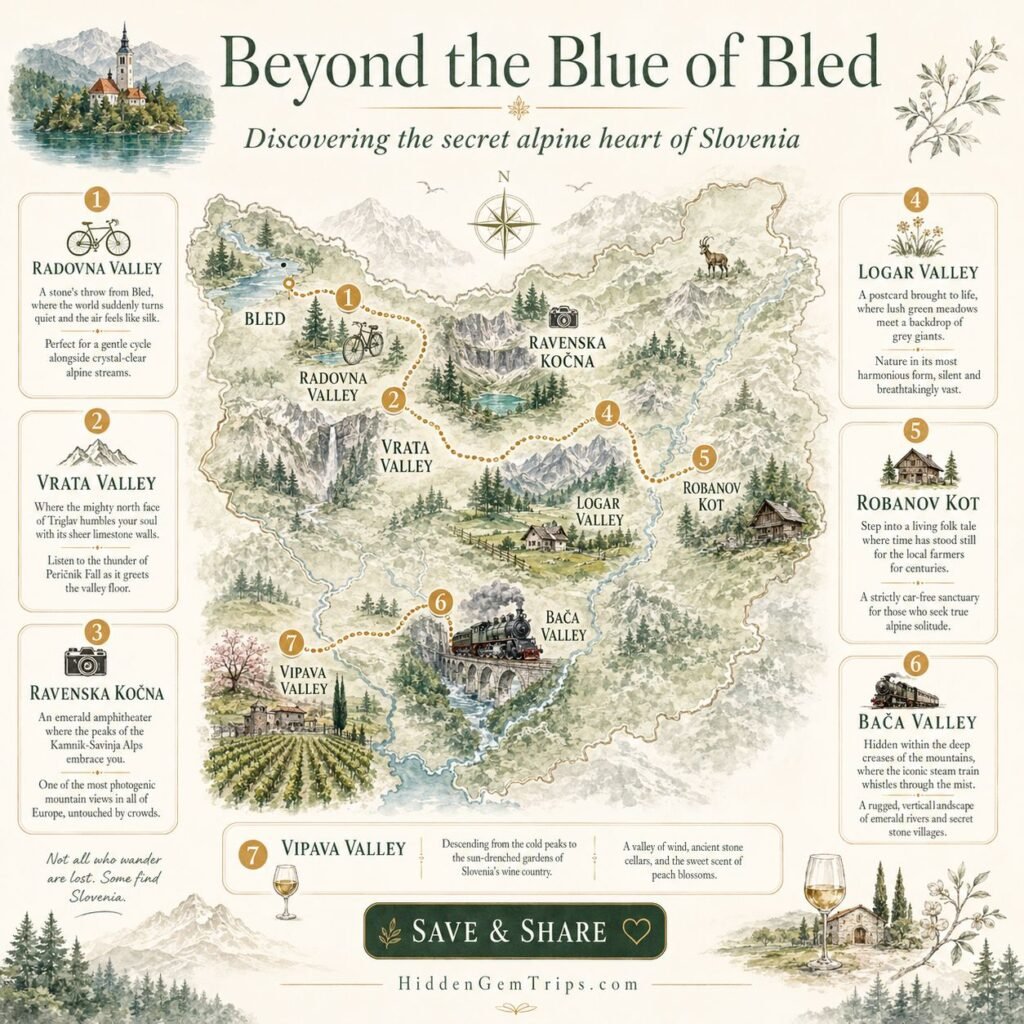
Slovenia Quiet Valleys Route at a Glance
The table below is designed for practical planning, not fantasy scrolling. It compares each stop by best base, access style, crowd pattern, and the kind of traveler who will actually appreciate it. If your dream trip is one dramatic summit every morning and a cocktail bar every night, some of these valleys may feel too quiet. That is not a defect. That is the product.
| Stop | Valley | Best base | Main feel | Access style | Best for |
| 1 | Radovna Valley | Zgornja Radovna / Mojstrana / Bled | Cycling, farm heritage, forest lake | Easy by car or bike; seasonal local mobility nearby | Gentle first step beyond Bled |
| 2 | Vrata Valley | Mojstrana | Peričnik Waterfall, Triglav north wall, alpine trail | Walk, shuttle, limited road access by season | Dramatic scenery without sleeping in Bled |
| 3 | Ravenska Kočna Valley | Zgornje Jezersko | Meadow walks, Planšarsko Lake, Kamnik-Savinja views | Car or weekend/holiday local van in summer | Quiet walkers and families |
| 4 | Logar Valley | Solčava / Luče | Glacial valley, Rinka Waterfall, wooden granaries | Car, bike, local arrangements | Classic beauty with a slower plan |
| 5 | Robanov Kot + Matkov Kot | Solčava | Farm roads, regional park rules, wilder side valleys | Best by car plus walking | Travelers who can respect limits |
| 6 | Bača Valley / Baška Grapa | Podbrdo / Grahovo ob Bači / Most na Soči | Railway, river, gorges, quiet villages | Train, motorail, car, walking stages | Rail lovers and low-key hikers |
| 7 | Vipava Valley | Vipava / Ajdovščina / Goče | Wine villages, stone lanes, bora wind, cycling | Car, bike, regional transport | Food, wine, low-season warmth |
Why Bled Should Be the Start, Not the Whole Story
Bled is easy to love because it removes friction. You can arrive, understand the scene instantly, and get rewarded within minutes. Quiet valleys ask for a different muscle. They require you to care about timing, road etiquette, parking limits, farm rhythms, weather, and the difference between a place that welcomes visitors and a place that merely tolerates them because there is no other economic option. That is where a hidden-gem traveler has to grow up a bit. No shade, just reality with hiking boots on.
Slovenia is small enough to tempt rushed itineraries. Ljubljana to Bled, Bled to Bohinj, Bohinj to Soča, Soča to the coast, then maybe a cave, a castle, and a glass of wine before your phone battery collapses. The map makes it look easy. The valleys tell a different story. Mountain roads are slower than they look. Weather changes the mood fast. Summer parking can create real pressure in fragile alpine corridors. The country rewards travelers who travel by region rather than by trophy list.
The better approach is to use Bled as your orientation point and then pick a valley rhythm. Choose one valley for cycling, one for a waterfall walk, one for farm culture, one for rail travel, and one for food and wine. That creates a richer trip than chasing the same “best view” energy again and again. It also spreads your spending beyond the obvious hotspots, which is the practical heart of responsible travel.
This is where our hidden-gem travel framework matters. A place is not a hidden gem just because fewer people have posted it. A place becomes a good hidden gem when local access, visitor behavior, ecological sensitivity, and economic benefit line up. If the valley has one narrow road, no waste capacity, no public transport, and residents already annoyed by random drones, it is not “undiscovered.” It is unprepared. Don’t be the plot twist nobody asked for.
A quieter Slovenia trip should also acknowledge the country’s sustainability work. The national Slovenia Green programme brings together destinations and providers under a sustainability certification framework, and Slovenia’s tourism board describes more than 270 destinations and providers as having obtained Slovenia Green labels. That does not mean every trip is automatically responsible. It means travelers have a useful signal when choosing bases, accommodations, guides, and food experiences that already think beyond volume.
The Quiet Valley Method: How to Pick Places That Can Handle Visitors
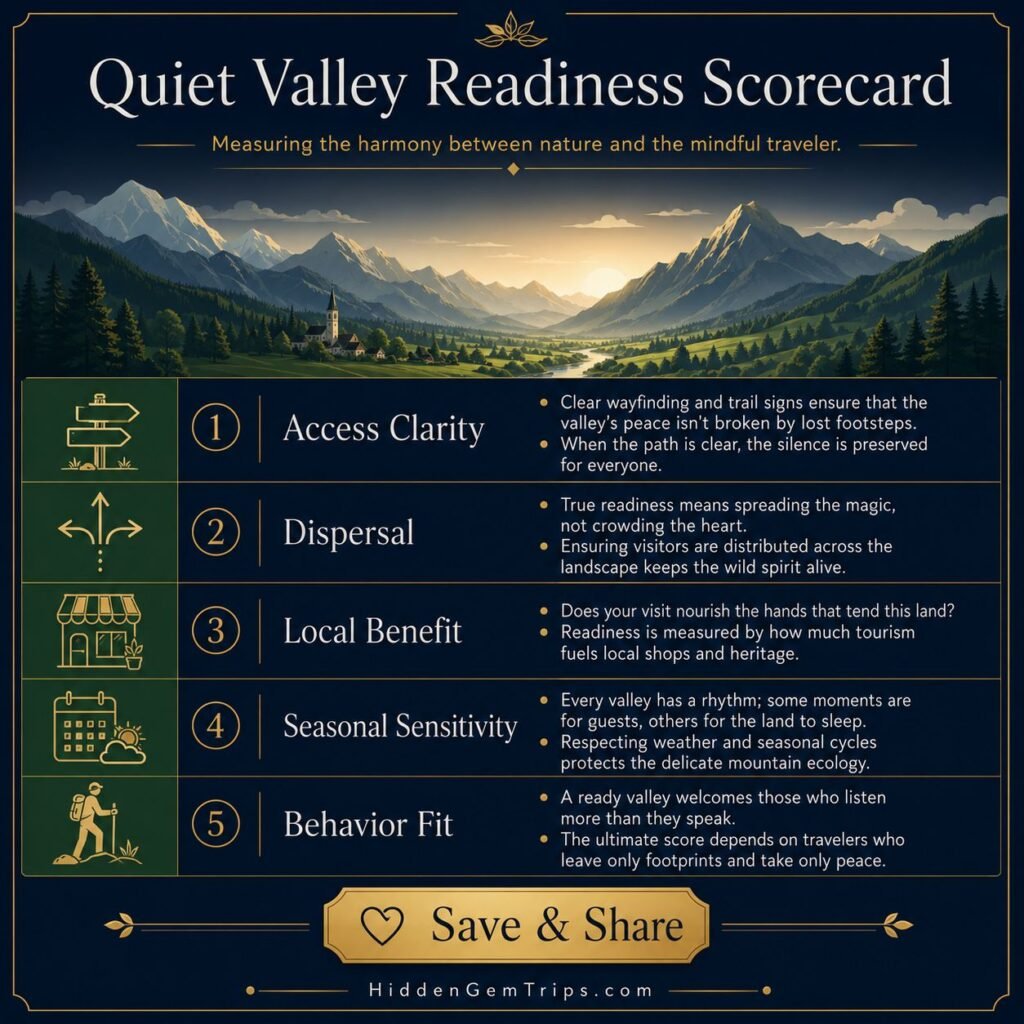
The most original part of this guide is not the list. Anyone can list pretty valleys. The real value is the filter. Before adding any valley to a beyond-Bled route, run it through five signals: access, dispersal, local life, seasonal pressure, and leave-no-trace practicality. This is the same logic behind our secret-destination readiness checklist, but tuned for Slovenia’s alpine and rural geography.
Start by asking whether access is clear. A valley with marked paths, public transport, a visitor center, or defined cycling routes is easier to visit responsibly than a fragile place where everyone improvises. Then check whether visitors can spread out, because one crowded waterfall platform at noon is not “quiet” just because trees exist. Look for real local life too: farms, guesthouses, bakeries, museums, cheese, wine, and trails maintained by local groups. Finally, respect seasonality and your own behavior. Travel lighter, skip the drone, slow down on farm roads, carry trash out, and accept that a gate means no. Revolutionary stuff, apparently.
This method also helps prevent the common “beyond Bled” mistake: replacing one crowd with another crowd, just further down the road. The goal is not to find secret places and expose them. The goal is to travel through quieter places at a scale that still makes sense. Think of this as a local-stop style guide for Slovenia: stop long enough to buy something, learn something, and leave less noise than you found.
| Signal | Question to ask | Traveler action |
| Access clarity | Is there an official route, shuttle, train stop, trail, or visitor guidance? | Use existing routes instead of inventing shortcuts. |
| Dispersal | Can visitors spread across walks, villages, farms, viewpoints, and meadows? | Avoid the one-photo bottleneck at peak hour. |
| Local benefit | Can your money reach guesthouses, farms, guides, restaurants, museums, or wineries? | Stay locally and eat locally when possible. |
| Seasonal sensitivity | Does summer parking, winter closure, snowmelt, heat, or harvest change access? | Check local notices before driving in. |
| Behavior fit | Can you follow rules without whining like the valley owes you VIP access? | No drones, no off-trail trampling, no private farm cosplay. |
1. Radovna Valley: The Gentle First Step Beyond Bled
Radovna Valley is the easiest reminder that you do not need to go far from Bled to change the whole texture of the trip. Instead of another crowded lakeside loop, Radovna gives you forest, water, old homesteads, ridged meadows, and a cycling rhythm that feels human rather than performative. It sits close enough to Bled for a half-day, but it feels spiritually further away because the valley is not built around a single money shot.
The official Radovna Valley information from Bled highlights cycling, family-friendly movement, natural heritage such as Lake Kreda and old meadows, and cultural heritage linked to homesteads in the valley. That mix is the reason Radovna works so well as stop one. It teaches you how to slow down while still giving you practical access. You can cycle a section, pause by the water, look for farm architecture, and understand that the valley is not empty scenery. People lived here, worked here, stored hay here, and carried winters here long before travelers discovered the phrase “hidden gem.”
For cultural depth, the Pocar Homestead details are worth building around. The homestead in Zgornja Radovna dates back to the beginning of the 17th century and is described as one of the oldest monumentally restored farmsteads in Triglav National Park. This is the kind of stop that adds authority to a travel article because it moves beyond “pretty road, wow mountains” into how people actually inhabited the alpine edge.
The best way to visit Radovna is not to rush it as a scenic shortcut. Treat it as a soft landing after Bled: a morning bike ride, a museum stop if open, a picnic packed from a local bakery, and a return before the road becomes a stress test. Families can use it as a low-drama introduction to Slovenia’s rural side. Couples can use it as a decompression day. Solo travelers can use it to recalibrate after arrival, especially if they have just landed from a long flight and need to avoid becoming a zombie with a camera. Our long-haul recovery plan pairs well with this kind of first full day.
Do not expect dramatic cliff-edge adrenaline. That is not Radovna’s job. Its gift is proportion. The valley reminds you that a quiet day can be a real travel day. You do not need to justify every hour with a headline attraction. Sometimes the best Slovenian memory is a bicycle rolling under trees, a farm roofline against the mountains, and the absence of a queue. Wild concept: peace can be content too.
How to visit Radovna gently
- Start early from Bled or Mojstrana and avoid using the valley road as a fast cut-through.
- Choose cycling or a slow drive with proper pull-offs; do not stop in private farm entrances.
- Check opening hours for cultural sites before building the day around them.
- Carry snacks and water, but do not turn meadows into picnic mats unless the area is clearly public.
2. Vrata Valley: Big Alpine Drama, Better Timing
Vrata Valley is not unknown. Let’s not pretend it is some mythical corner guarded by goats with NDAs. It is one of Slovenia’s great alpine corridors, famous for Peričnik Waterfall and views toward the north face of Triglav. But it belongs in a quiet-valleys article because the experience changes completely when you treat it as a walking valley rather than a drive-in checklist. Arrive with patience, use seasonal mobility where available, and let the valley open in layers.
The Peričnik Waterfall route guidance from Triglav National Park notes that Peričnik can be visited as part of the Triglavska Bistrica Trail, with a 4 km walk from the Slovenian Alpine Museum trailhead to Koča pri Peričniku and a longer continuation through Vrata toward Aljažev dom. That detail matters. Many visitors think of the waterfall as a quick roadside target. The more respectful version is to make it part of a walking corridor from Mojstrana, which reduces the pressure around narrow access points and gives you a better sense of the valley’s shape.
Triglav National Park is not just a pretty label. Slovenia’s tourism board describes it as the country’s only national park, named after 2,864-meter Triglav, covering most of the Julian Alps and divided into conservation areas with different levels of rules. Read the Triglav National Park guidance before you go, not after you have already stepped beyond a sign because the photo looked cute. This is protected mountain country, not a theme park with moss.
Vrata is best in shoulder season or early morning. In summer, treat transport as part of the plan, not an afterthought. The 2026 Triglav National Park mobility page points visitors toward public transport, summer bus services, train, car-train, bike, and e-van options around the park. That kind of infrastructure is a quiet-travel gift. Use it where it works. If you drive, check local conditions and closures rather than relying on old blog posts that may age like milk in a hot car.
The emotional payoff in Vrata is scale. The valley narrows your focus upward. Water drops from limestone. The forest sound changes as you approach Peričnik. The north wall of Triglav makes regular worries feel less important, which is cheaper than therapy and comes with better views. But the valley only stays powerful if visitors resist turning it into a parking problem. Walk more. Park less. Keep the waterfall path moving. Let people pass. Stay on marked routes. Basic, but somehow still premium knowledge.
Best fit for Vrata Valley
- Travelers who want one high-drama alpine day without attempting a technical summit.
- Photographers who can arrive early and move without blocking narrow paths.
- Hikers who prefer valley trails, waterfalls, and north-wall views over peak-bagging pressure.
- Visitors willing to check seasonal road, shuttle, and weather notices before making plans.
3. Ravenska Kočna Valley: Jezersko’s Meadow-Slow Alpine Room
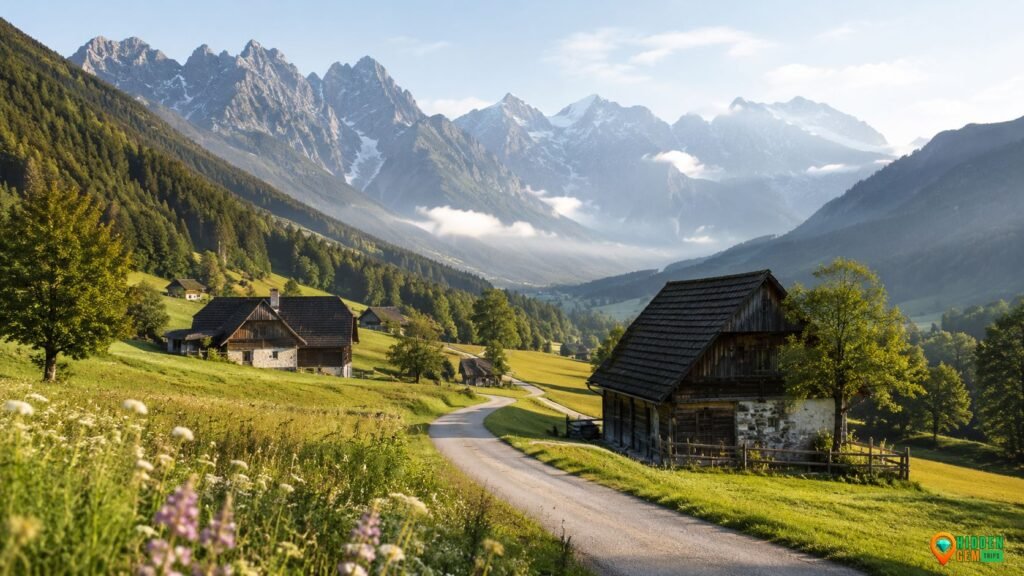
Ravenska Kočna Valley, above Zgornje Jezersko, feels like a room the mountains forgot to lock. It is framed by the Kamnik-Savinja Alps, softened by meadows, and grounded by a village rhythm that feels less famous than its beauty deserves. That combination makes it one of the most useful stops for travelers who want Slovenia’s alpine atmosphere without automatically joining the Bled-Bohinj-Soča conveyor belt.
Jezersko works because it offers a quieter version of the alpine promise: big peaks, simple walks, local guesthouses, and enough structure to keep visitors from wandering randomly across sensitive ground. A calm day here can include Planšarsko Lake, the Ravenska Kočna valley floor, a short nature trail, and a lunch that does not require you to fight a bus group for oxygen. The mood is not “secret.” The mood is “still proportionate.” That distinction matters.
The destination has also made a practical mobility move. The Ravenska Kočna weekend transport notice says organized transport to the valley is available on Saturdays, Sundays, and holidays from June 20 until the end of August, with stops including Zgornje Jezersko, Planšarsko jezero, and Ravenska Kočna, and that the transport is free of charge. This is exactly the kind of detail responsible travelers should reward. When a small place creates an option to reduce traffic, do not ignore it just because driving straight to the edge feels easier.
Ravenska Kočna is also a strong pick for families and cautious solo travelers. The valley gives you open scenery without forcing you into difficult terrain. As always, quiet does not mean risk-free. Weather can shift, mountain paths can be wet, and winter changes the whole equation. But compared with more ambitious alpine goals, Jezersko allows you to build a restorative day: walk, eat, read a trail board, sit by water, and let the mountains do their job without demanding applause.
If you are building a longer Slovenia route, Jezersko pairs well with the seven-day itinerary rules we use for deep trips: limit one major move per day, avoid stacking too many mountain roads, and schedule “soft” days between iconic locations. In practice, that could mean Ljubljana to Jezersko, Jezersko to Solčava, Solčava to Baška Grapa, then onward to Vipava. It looks less aggressive on paper because it is less aggressive in real life. Your future knees and your future mood say thanks.
How to make Jezersko feel local, not just scenic
- Stay at least one night if the route allows; day trips can work, but overnight spending supports the valley better.
- Use the summer weekend/holiday transport when it matches your dates.
- Choose a meadow walk over a summit push if weather or fitness is uncertain.
- Ask accommodation hosts about current path conditions instead of relying only on social media reels.
4. Logar Valley: The Famous Valley That Still Rewards Slow Travelers
Logar Valley is the most famous stop in this guide after Vrata, so calling it quiet needs context. It is quiet when you respect timing, season, and pace. It is not quiet if you arrive at the same hour as everyone else, stop only for the headline waterfall, and leave with the emotional depth of a browser tab. The valley is one of Slovenia’s great glacial scenes, but its real appeal is how nature and farm culture sit together.
The official Logar Valley overview describes Logar as one of three valleys in the Solčava Region, alongside Robanov Kot and Matkov Kot, and notes the presence of high-mountain farms, including Bukovnik at 1,327 meters. That one sentence explains why this region deserves more than a quick photo stop. You are not entering wilderness in the empty sense. You are entering a lived alpine landscape where farms, granaries, chapels, huts, forests, meadows, and waterfalls all belong to the same story.
The classic Logar plan is simple: arrive early, walk the valley floor, continue toward Rinka Waterfall if conditions are good, and build time for a farm lunch or local product stop. The smarter plan adds one more layer: do less in the valley and more around it. Spend two nights in the Solčava area. Use one day for Logar, one for Robanov Kot or Matkov Kot, and one slow morning for the panoramic road or a farm visit. Suddenly Logar is not a box to tick. It becomes a base for understanding the Solčava region.
This is where travelers coming from more dramatic European mountain trips may need to recalibrate. Slovenia’s valleys are not trying to beat the Dolomites on vertical spectacle or Switzerland on polished infrastructure. Their power is intimacy. The farms are closer. The meadows feel more personal. Distances are shorter, but decisions matter more. If you liked our guide to another under-sung European mountain region, think of Logar as the Slovenian version of that same logic: mountains with enough fame to be accessible, but enough local texture to reward patience.
Do not skip the cultural layer. Wooden granaries, farm buildings, herdsman heritage, and local food are not secondary details. They are the reason the valley does not feel like a generic alpine wallpaper pack. The more visitors spend only on parking and quick snacks, the weaker the local travel economy becomes. The more visitors stay, eat, hire, buy, and learn locally, the more the valley benefits from attention rather than just enduring it.
Logar Valley without the rush
- Give the Solčava region two nights if possible, not one hurried afternoon.
- Walk the valley floor before deciding whether to continue toward higher or wetter terrain.
- Choose local food stops over supermarket car picnics when budget allows.
- Visit in May, June, September, or October for a calmer balance of weather and visitor flow.
5. Robanov Kot and Matkov Kot: The Side Valleys That Demand Better Manners
If Logar Valley is the beautiful sibling everyone talks about, Robanov Kot and Matkov Kot are the side valleys that test whether you actually understand quiet travel. They are not places to “discover” loudly. They are places to enter carefully, read signs, follow rules, and accept that some landscapes are more valuable when visitors do less.
The Robanov Kot and Matkov Kot regional park guidance describes Robanov Kot and Matkov Kot as exceptionally beautiful regional park landscapes and notes that in Robanov Kot, walking outside marked paths, cycling, and motor vehicles are not allowed. That line should shape the entire visit. Do not treat restrictions as inconvenience. Treat them as the reason the valley still has its atmosphere. The rule is not blocking your experience; it is preserving it.
Matkov Kot is even more understated. The Matkov Kot local description describes it as a small 5 km alpine glacial valley between Logar Valley and the Austrian border, slightly away from the main roads, with four mountain farms and a quiet character tied to local landscape memory. This is not a place that needs a performance review from a rushed traveler. It needs time, low noise, and humility.
The biggest mistake here is trying to consume both valleys as add-ons after a full Logar day. That is how quiet travel dies: not with malice, but with bad scheduling. If you are short on time, pick one side valley and do it properly. Walk only where allowed. Keep voices low near farms. Do not fly drones. Do not assume every track is public because your map app drew a tempting line. In mountain communities, a map is not a permission slip.
For a HiddenGemTrips reader, Robanov Kot and Matkov Kot are a practical ethics test. They connect well with our quiet-valley comparison from Morocco: the quieter the valley, the more your behavior matters. In a crowded city, one careless traveler disappears into the noise. In a small alpine valley, one careless traveler is the noise.
These valleys are best for travelers who enjoy walking more than consuming, who can handle a day with fewer services, and who understand that “not much to do” can be the highest compliment. Bring water, layers, and realistic expectations. If the weather is poor, skip. If a farm road feels private, do not test it. If you are unsure, ask locally. The valley is not a puzzle to hack. It is a place to be a decent guest.
A simple etiquette checklist for side valleys
- Stay on marked paths and obey local restrictions without negotiating with your ego.
- Do not bring bikes where cycling is not allowed.
- Keep distance from livestock, gates, private yards, and working farm areas.
- Spend locally in Solčava if the valley itself has limited services.
- Treat silence as part of the attraction, not an awkward gap to fill with speaker audio.
6. Bača Valley / Baška Grapa: Slovenia’s Rail-Valley Secret Weapon
Bača Valley, often referred to through the wider Baška Grapa area, is the stop that travel listicles often underplay because it is not one obvious postcard. That is exactly why it belongs here. The valley is narrow, river-shaped, threaded by road and railway, and connected to a very different rhythm of travel: platforms, tunnels, small villages, trail stages, and the feeling of moving through Slovenia rather than merely driving across it.
The Bača River valley description notes that the Bača flows through the narrow Bača Valley, accompanied and crossed by a road and railway line, before joining the Idrijca, and that the river course is 21.4 kilometers long. That physical setup defines the experience. You can follow the valley by road, but the railway gives it character. It turns movement into part of the story.
The rail connection is not a cute novelty; it is a smart planning tool. Slovenian Railways explains in its Bohinj railway motorail information that motorail trains operate between Bohinjska Bistrica, Podbrdo, and Most na Soči through the Bohinj tunnel, connecting Upper Carniola with the southwest. For travelers nervous about mountain driving or simply tired of doing all the work behind the wheel, this is a brilliant way to cross between alpine zones while reducing road fatigue.
Baška Grapa also connects to walking culture. The Juliana Trail information describes the trail as a 270 km route around the Julian Alps that leads through valleys, forests, urban areas, and wilder places along the Soča and Sava. You do not need to hike the whole thing. A section mindset is enough: arrive by train, walk a manageable portion, sleep in a valley base, and continue slowly.
This is the Slovenia stop for travelers who like the journey as much as the viewpoint. Podbrdo, Grahovo ob Bači, and Most na Soči are not trying to be Bled. They offer a different pleasure: railway geography, quiet villages, river sounds, and the satisfaction of using infrastructure that already exists. If you enjoy packing-light discipline, Baška Grapa is especially rewarding because traveling with less makes train-and-walk days far easier.
The valley is also a budget-friendly move if planned well. You can build a low-key day around train travel, a local meal, a modest guesthouse, and a walk instead of stacking premium activities. For travelers watching costs, pair this section with our budget sanity checks. Slovenia is not the cheapest country in the region, but valleys like Baška Grapa allow you to spend on depth instead of spectacle.
The caution is that quiet rail valleys require more planning than drive-up viewpoints. Check timetables. Confirm accommodation. Know which villages have food and which do not. Carry cash if needed. Download offline maps. Ask locals about current trail conditions. This is not difficult, but it does punish lazy planning. Bača Valley is generous to travelers who do homework and slightly cold to travelers who wing everything at 5 p.m. with ten percent battery. Fair, honestly.
Best way to use Bača Valley
- Use the Bohinj railway or motorail as part of the experience, not just a transfer hack.
- Base in Podbrdo, Grahovo ob Bači, or Most na Soči depending on your walking plan.
- Build in timetable buffers; mountain and regional transport works best when you respect it.
- Carry lighter luggage if combining rail, walking, and guesthouse stays.
7. Vipava Valley: Wine Villages, Bora Wind, and the Low-Season Alternative
Vipava Valley shifts the mood completely. After alpine forests, waterfalls, and glacial corridors, Vipava brings stone villages, vineyards, fruit, wind, Karst edges, and a warmer light that can feel almost Mediterranean. It is not beyond Bled in the immediate geographic sense; it is beyond Bled in travel logic. It proves that Slovenia’s quieter valleys are not only alpine. Some of the best slow days happen where the mountains loosen and the table gets better.
The Vipava Valley overview describes the valley as lying below high Karst plateaus between Alpine, Karst, and Mediterranean worlds, known for wines, fruit, picturesque villages, and the bora wind. This makes Vipava especially useful in shoulder seasons, when high alpine weather may be unstable but you still want walking, cycling, food, and local character.
The villages are not random decoration. The Vipava Valley village heritage page explains that settlements were often clustered on less fertile ground to preserve arable land and to protect buildings from the strong local bora wind, which can exceed 200 km/h. That is the kind of detail that changes how you walk through a village. Narrow lanes, stone forms, and clustered houses become environmental intelligence, not just “cute old streets.”
Vipava is also where the trip can breathe after heavier alpine logistics. Base in Vipava, Ajdovščina, Goče, Slap, or a nearby wine village. Spend a day cycling gently, visiting a winery by appointment, walking old lanes, and eating something that tastes like the valley instead of an international menu with a mountain sticker on it. This is where mid-range comfort without pretending every night is luxury becomes practical: choose a small guesthouse, a good meal, and one meaningful tasting rather than a fancy hotel that disconnects you from place.
Vipava is also a smart alternative when alpine routes are too wet, too crowded, or too rushed. It works well before or after Baška Grapa, and it can connect toward the coast, Karst, or Ljubljana. Travelers who like wine should still avoid the “tasting as trophy” mindset. Book ahead, ask questions, buy a bottle if you enjoy the visit, and do not treat small producers like free entertainment. Food and wine travel is still local travel; behave accordingly.
The valley’s main risk is underestimating the bora. Strong wind is not a travel aesthetic; it can affect cycling, walking comfort, and driving. Check forecasts. Dress for wind, not just temperature. If the bora is too much, do what locals have long understood: go indoors, eat slowly, and let the weather be part of the place rather than a problem to defeat. Sometimes the most responsible itinerary is the one that admits nature is not your employee.
Best fit for Vipava Valley
- Travelers who want a food-and-wine finish after alpine days.
- Cyclists who can adapt to wind and choose routes responsibly.
- Couples and small groups looking for villages, guesthouses, and slower meals.
- Shoulder-season travelers who need a lower, warmer alternative to high valleys.
How to Connect the Seven Valleys Without Turning the Trip Into Homework
A strong Slovenia quiet-valleys route should feel like a sequence, not a scavenger hunt. The worst version is trying to sleep somewhere different every night because the map looks compact. The better version uses two or three bases and gives each region enough time to breathe. You can start in Bled or Ljubljana, but do not underestimate how much richer the trip becomes when you pause in Mojstrana, Jezersko, Solčava, Baška Grapa, or Vipava rather than returning to the same crowded base every night.
If you are arriving from far away, give yourself one gentle day before driving into mountain roads. Bled plus Radovna is ideal for that. Then move to Mojstrana for Vrata, Jezersko for Ravenska Kočna, Solčava for Logar and the side valleys, Baška Grapa for rail travel, and Vipava for the final food-and-wine shift. Yes, that is more nuanced than a “Top 7 Places You Must See” list. That is the point. We are not microwaving travel here.
Drivers should plan roads as experiences, not empty connectors. Rail travelers should study the Bohinj line and combine it with guesthouses. Hikers should pick sections, not heroic fantasies. Families should cut down on daily moves. Solo travellers should focus on accommodation close to transport, clear trails and local advice, especially outside peak season. Our solo travel safety habits are useful here because quiet places are rewarding, but they demand sharper judgment than busy city centers.
For comparison, Slovenia’s mountain-road logic shares a little DNA with our Balkan mountain route comparison: short distances can hide slow roads, weather shifts, and limited services. Build buffers. Carry layers. Do not schedule dinner two valleys away after a late hike. The mountains will not care that your spreadsheet is color-coded.
A practical 5-day version
| Day | Route | Main plan | Best overnight |
| Day 1 | Bled or Ljubljana to Radovna Valley | Cycle or slow drive, Pocar Homestead if open, Lake Kreda pause | Bled or Mojstrana |
| Day 2 | Vrata Valley | Walk toward Peričnik and along the Triglavska Bistrica Trail; use mobility options where possible | Mojstrana / Kranjska Gora |
| Day 3 | Jezersko / Ravenska Kočna | Planšarsko Lake, meadow walk, local meal, overnight calm | Zgornje Jezersko |
| Day 4 | Solčava region | Logar Valley early; choose Robanov Kot or Matkov Kot only if time and rules allow | Solčava / Luče |
| Day 5 | Baška Grapa or Vipava | Rail valley day via Podbrdo/Most na Soči or food-and-wine day in Vipava | Most na Soči or Vipava |
A slower 7-day version
| Day | Focus | Why it works |
| Day 1 | Bled arrival + lake walk | Keep it light; avoid driving tired after a long-haul arrival. |
| Day 2 | Radovna Valley | Bike, farm heritage, soft valley day. |
| Day 3 | Vrata Valley | Peričnik and valley walk from Mojstrana. |
| Day 4 | Jezersko | Ravenska Kočna and Planšarsko Lake. |
| Day 5 | Solčava | Logar Valley with a local food or farm stop. |
| Day 6 | Robanov Kot or Matkov Kot + transfer | Choose one side valley; do not rush both. |
| Day 7 | Baška Grapa or Vipava | Rail route or wine-village finish, depending on onward travel. |
For a deeper version of this planning approach, use our seven-day itinerary rules before locking hotels. The key is to count transfers as travel experiences, not empty time. A train through the Bača Valley, a slow drive into Solčava, or a morning in Radovna can be the trip, not the commute.
Where to Stay: Base Town Logic for Slovenia Quiet Valleys
The smartest accommodation strategy is to stop asking, “Where is the most beautiful place to sleep?” and start asking, “Which base reduces pressure on the day?” For Radovna and Vrata, Mojstrana is often more practical than Bled because it places you closer to the valley floor and spreads nights beyond the main lake economy. For Jezersko, staying in Zgornje Jezersko gives you early and late access to the quietest hours. For Logar, Solčava or Luče can slow the region down. For Baška Grapa, choose a rail-friendly base. For Vipava, choose a village or small town that allows you to walk to dinner after tasting wine. Your designated driver deserves basic human rights too.
Accommodation also affects whether your trip actually benefits quiet regions. If you only day-trip from famous hubs, smaller valleys absorb traffic but receive less overnight income. If you stay locally, buy breakfast locally, hire locally, and ask local advice, the valley has a stronger reason to welcome thoughtful tourism. This does not mean every traveler must spend big. It means spending should match the places you use. Even simple guesthouses, farm stays, and local restaurants can shift the value of your visit.
This is also where remote-travel gear notes help. Slovenia is not remote in the extreme expedition sense, but quiet valleys still reward practical gear: layers, rain shell, refillable bottle, offline maps, small first-aid kit, power bank, trail shoes, and a light daypack. You do not need to cosplay as an explorer. You do need to avoid becoming dependent on tiny villages for things you could have packed yourself.
Digital nomads should be extra careful. A quiet valley is not automatically a coworking destination. Before extending a stay, check Wi-Fi reliability, workspace expectations, grocery access, and transport. If you are exploring Slovenia with a slow-mading lens, choose bases where your presence supports local accommodation outside peak nights rather than competing with short-stay hikers for limited rooms.
| Base | Use it for | Why it matters |
| Bled | First night, classic lake, easy logistics | Can keep you stuck in the busiest rhythm |
| Mojstrana | Radovna + Vrata access | Quieter base, better for walking into valley plans |
| Zgornje Jezersko | Ravenska Kočna | Best if you want early and late quiet hours |
| Solčava / Luče | Logar + side valleys | Strong base for farm culture and two-night stays |
| Podbrdo / Most na Soči | Baška Grapa and rail route | Good for train travelers and Juliana Trail sections |
| Vipava / Ajdovščina / Goče | Wine villages and food finish | Best for shoulder-season warmth and slow meals |
Best Seasons for Slovenia Quiet Valleys
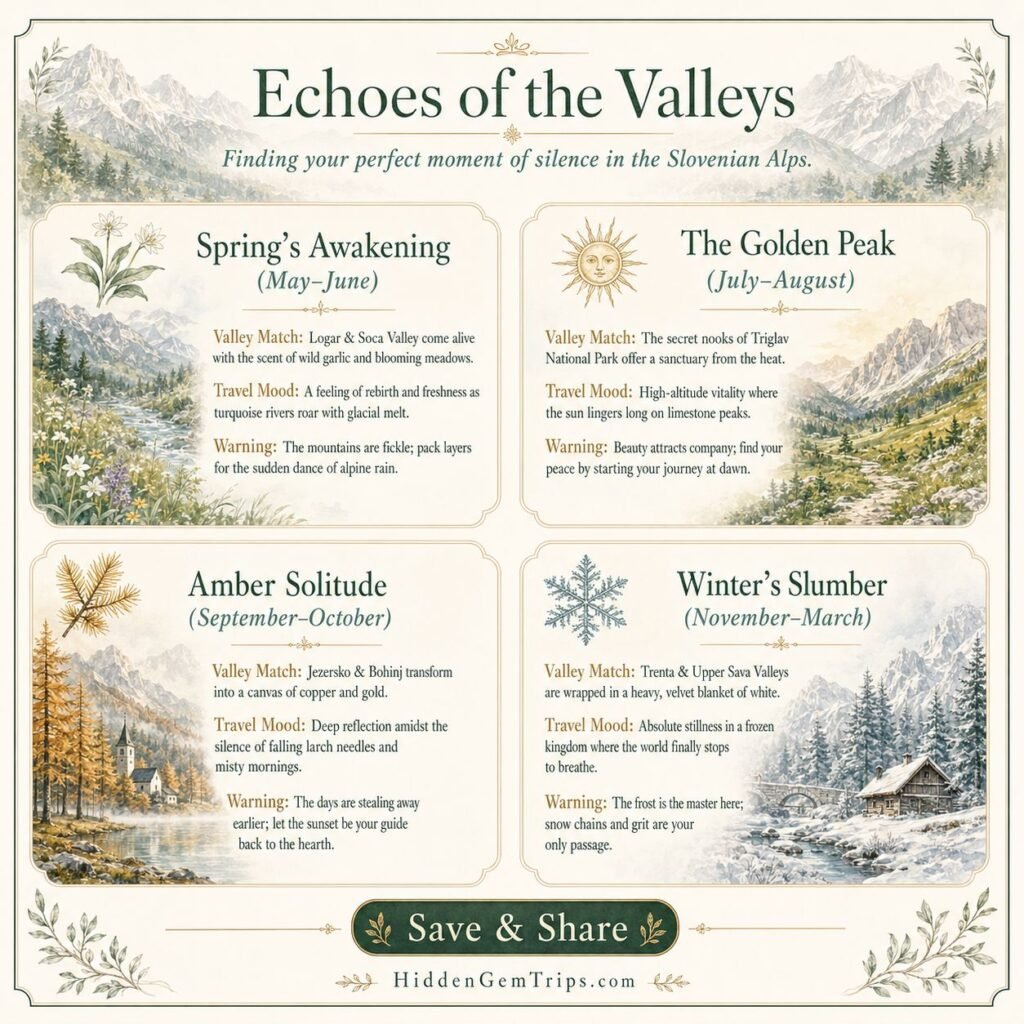
Late spring and early autumn are the sweet spots for most travelers. May and June bring green valleys, stronger water, and more forgiving temperatures, though high routes may still carry snow or closure issues. September and early October bring calmer conditions, harvest energy in Vipava, and softer light. July and August are workable, but only if you plan around heat, parking, shuttle schedules, and crowd concentration. Winter can be beautiful, especially in Jezersko, but it requires real seasonal planning rather than copy-pasting a summer itinerary.
The key is to match valley to season. Radovna is a gentle shoulder-season pick. Vrata needs careful winter closure checks. Jezersko can work beautifully in both green and snowy seasons if you choose the right activity. Logar is iconic in summer but often more moving in late spring or autumn. Robanov Kot and Matkov Kot should be approached with extra respect in wet or unstable conditions. Baška Grapa can work well for rail and walking outside peak heat. Vipava can rescue a trip when the high Alps are moody, especially if you lean into food, wine, and village walks.
If your schedule is locked for August, do not panic. Just get smarter. Start earlier, use shuttles where available, choose less famous bases, book accommodation ahead, and reduce the number of daily stops. The secret is not finding a magical empty Slovenia in peak season. The secret is not making peak season worse.
| Season | Best valley matches | Planning note |
| May–June | Radovna, Logar, Jezersko, Baška Grapa | Green valleys, water flow, mild temperatures; check high routes. |
| July–August | Jezersko, Solčava with early starts, Baška Grapa by train | Use mobility options; avoid noon bottlenecks. |
| September–October | All seven, especially Vipava and Solčava | Harvest, softer light, fewer crowds, strong food angle. |
| November–March | Jezersko winter, Vipava food/wine, low valleys | Check closures, snow, wind, and daylight; do not force summer plans. |
Responsible Travel Notes for Slovenia’s Quiet Valleys
Responsible travel in Slovenia’s quiet valleys is mostly not complicated. The problem is that uncomplicated things are easy to ignore. Stay on marked paths. Do not block roads. Do not park in farm entrances. Do not fly drones where they disturb people, wildlife, or protected areas. Do not feed animals. Carry out trash. Book small accommodations directly when possible. Learn a few Slovenian greetings. Ask before photographing people or private homes. Spend money in the valley if the valley is the reason you came.
Also, be careful with the language of discovery. These places are not new. They are new to you. That humility changes the tone of a trip. It also changes the tone of an article. Instead of “we found a secret valley,” say, “this valley offers a quieter alternative when visited with care.” Less ego, more accuracy. Google likes helpful content, but humans like not being treated as props. Win-win.
If you plan to publish about these places, be selective with geotags. Share official trailheads, visitor centers, and village bases rather than fragile corners. Emphasize rules and seasonality as much as beauty. This is especially important in small side valleys where one viral post can create the wrong kind of attention. The goal of HiddenGemTrips is not to hide good places forever. It is to help readers visit them better than the algorithm would.
Finally, remember that quiet is not a guarantee. A valley can be busy on a sunny holiday, closed after storms, or limited by maintenance. Always check local sources before arrival. The more a traveler depends on last-minute improvisation, the more pressure they place on small communities. Planning is not boring here. Planning is manners with a calendar.
Final Thoughts: Go Beyond the Postcard, Not Against It
The best reason to explore Slovenia quiet valleys beyond Bled is not to prove you are cooler than people who stay at the lake. That energy is tired. The better reason is that Slovenia becomes more interesting when you stop treating it like a greatest-hits album. Bled is the chorus everyone knows. Radovna, Vrata, Ravenska Kočna, Logar, Robanov Kot, Matkov Kot, Baška Grapa, and Vipava are the verses that make the song worth replaying.
These valleys show different versions of quiet. Radovna is gentle. Vrata is dramatic. Jezersko is meadow-slow. Logar is iconic but layered. Robanov Kot and Matkov Kot are restraint lessons. Baška Grapa is a rail-and-river mood. Vipava is wind, wine, and stone. Together, they create a Slovenia route that is richer than a single postcard and more responsible than a chase for emptiness.
Plan slowly. Stay locally. Use official mobility where it exists. Respect rules even when nobody is watching. Let some places remain quiet after you leave. That is the whole game. Travel beyond Bled, yes. But do it like a guest, not a conqueror with a camera roll.
FAQ About Slovenia Quiet Valleys Beyond Bled
1. What is the best quiet valley near Bled for a first-time visitor?
Radovna Valley is the easiest first step because it is close to Bled, practical for cycling or a gentle slow drive, and offers both natural and cultural layers without requiring a complicated mountain plan. It is also a good decompression day after arrival.
2. Can I visit these Slovenia quiet valleys without renting a car?
Some are possible without a car, especially when using the Bohinj railway, motorail, seasonal park mobility, and selected local shuttles. Baška Grapa is the strongest rail-friendly option. Radovna, Vrata, Jezersko, and parts of the Soča region may require more careful timetable planning. A mixed strategy of train, shuttle, walking, and occasional taxi can work if you travel light and avoid overpacking the itinerary.
3. Are Logar Valley and Vrata Valley really quiet?
They can be quiet in the right season and at the right hour, but they are not unknown. Treat them as famous valleys that reward slower timing rather than secret places. Go early, avoid peak bottlenecks, use mobility options where available, and spend more than one rushed hour.
4. Which valley is best for food and wine?
Vipava Valley is the strongest food-and-wine stop in this route. It offers wine villages, local cuisine, stone settlements, cycling possibilities, and a warmer low-season feel. Book tastings ahead and plan transport responsibly if drinking wine.
5. How many days do I need for Slovenia quiet valleys beyond Bled?
A focused version can work in five days if you accept trade-offs. A better route takes seven days, with nights in or near Mojstrana, Jezersko, Solčava, Baška Grapa, and/or Vipava. Ten days would allow more walking, fewer transfers, and a stronger local-spending footprint.
Disclaimer
This travel draft is for general planning and editorial information only. Road access, public transport, trail conditions, weather, parking rules, attraction opening hours, and local regulations can change without notice, especially in alpine areas. Always check with official tourism offices, accommodation hosts, protected-area authorities, transport providers and weather services for current details before you travel. Follow local rules, respect private property and change your plans if conditions are unsafe.