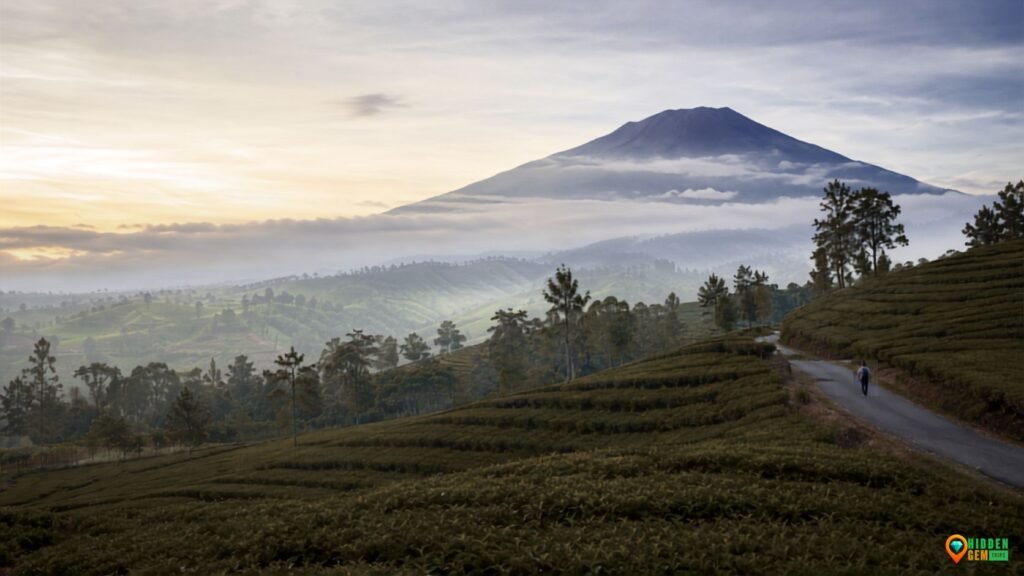

Sumatra is an island of extremes, offering some of the most dramatic landscapes and diverse cultures in all of Indonesia. For decades, the crown jewel of Sumatran tourism has been the massive, volcanic crater of Lake Toba.
Toba is definitely a beautiful place, but the truth is that most people don’t want to go there in 2026 for a wild, daring adventure. If you want to have an experience that changes the way you think about life, nature, and community, you need to seek beyond the crater lakes. To truly step back in time and experience one of the world’s most resilient indigenous cultures, you must explore the untouched Mentawai tribes.
In a world where true isolation is becoming increasingly rare, the Mentawai Islands—specifically the deep, muddy interior of Siberut—offer an unvarnished look at a society that has lived in harmony with the rainforest for millennia. This is not a leisurely vacation; it is an expedition. It takes determination, an open mind, and a lot of respect. But the rewards are endless for those who are willing to make the trip.
The Overcrowding of Sumatra’s Famous Lake
Let’s be honest about the current state of mainstream travel in Sumatra. Lake Toba is geologically interesting, but mass tourism has ruined it. On the shores of Samosir Island, there are concrete guesthouses, neon-lit cafes, and the sound of jet skis speeding across the lake all the time. The authentic Batak culture, though still present, is often commodified into evening dinner shows for passing tour buses.
If you are trying to find untouched paradises in a crowded world, places that have built massive tourism infrastructures are no longer the answer. The paved roads and endless string of souvenir stalls detract from the raw, spiritual energy that Sumatra is known for. You will spend more time dodging tour groups and negotiating with aggressive transport touts than you will connecting with the environment. It is time to leave the well-trodden path behind. It is time to trade the comfort of a lakeside resort for the profound, challenging, and deeply moving experience of the Sumatran jungle.
Entering the Realm of the Untouched Mentawai Tribes
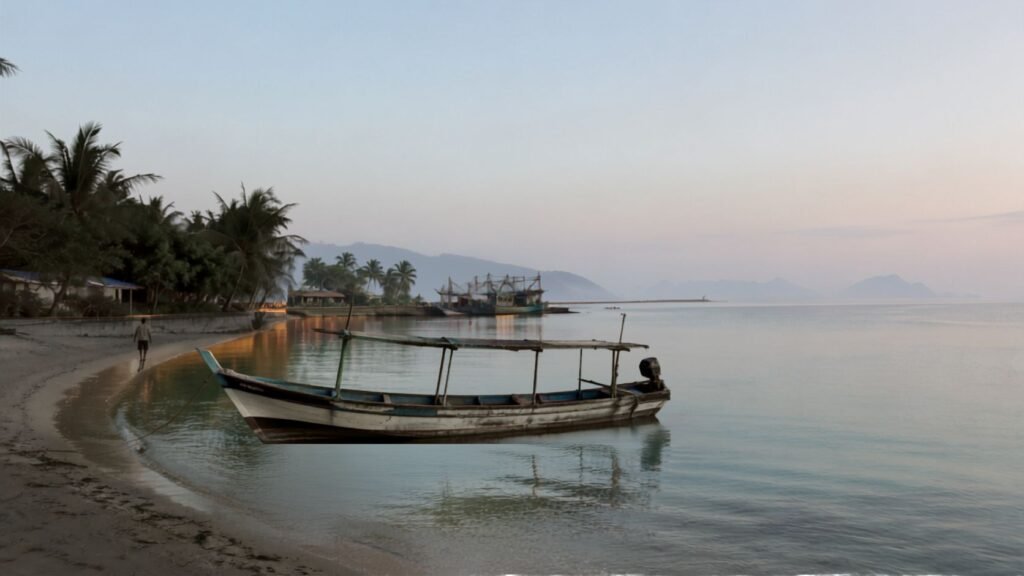
Lying approximately 150 kilometers off the western coast of Sumatra, the Mentawai Archipelago is a chain of islands that feels completely severed from the modern world. While the coastal areas of these islands have become world-renowned among hardcore surfers for their perfect reef breaks, the dense, impenetrable interior of Siberut Island is home to the Mentawai people.
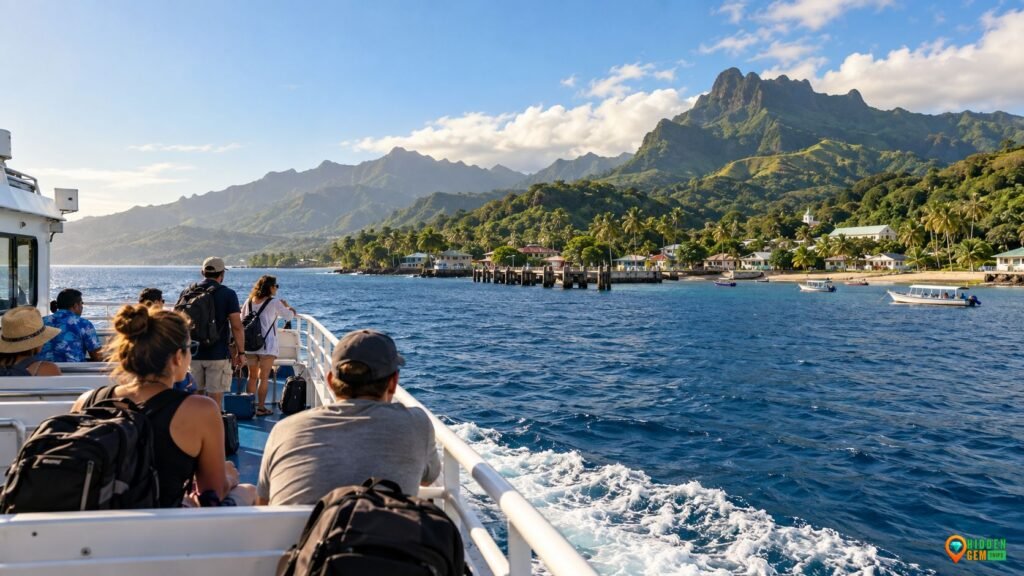
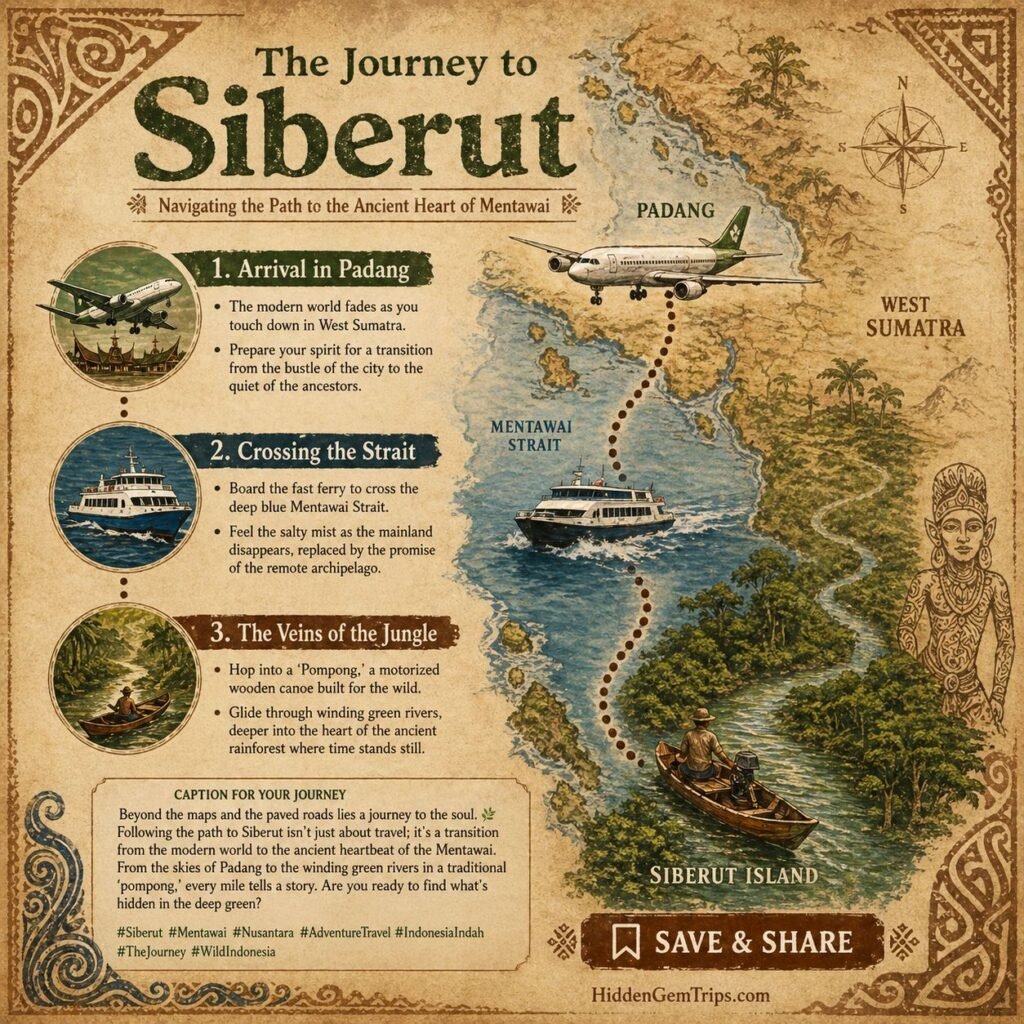
Getting there is a filter that keeps casual tourists at bay. The journey begins in the bustling coastal city of Padang. From there, you must board an overnight ferry or a fast boat that battles the often-turbulent waters of the Mentawai Strait. But reaching the port town of Muara Siberut is only the beginning. To reach the traditional clans, you must board a pompong—a long, narrow, motorized wooden canoe.
For hours, you will wind your way up serpentine rivers, the dense canopy of the rainforest closing in above you. The sound of boat engines is eventually replaced by the calls of gibbons, the chatter of hornbills, and the deafening hum of cicadas. The river grows narrower, shallower, and eventually, you must abandon the boat and trek through knee-deep, viscous jungle mud. Because the journey is so demanding, knowing how to pack light for remote expeditions is absolutely critical; rolling suitcases have no place in the rainforest.
When you finally arrive at a clearing and see the massive wooden structure of an Uma (longhouse) rising from the earth, you realize you have crossed a threshold. You have entered a world governed not by clocks or commerce, but by the rhythms of the forest and the spirits of the ancestors.
7 Secrets of the Mentawai Way of Life
The Mentawai people practice an animist belief system known as Arat Sabulungan. This philosophy dictates that everything in the universe—humans, animals, plants, rocks, and even water—possesses a spirit (simagere). When things are in balance, life thrives. When the balance is disrupted, illness and misfortune follow. Understanding this is the key to understanding the Mentawai. Here are the seven secrets of how they live their interesting lives.
1. The Sikerei: Deep Forest Shamans
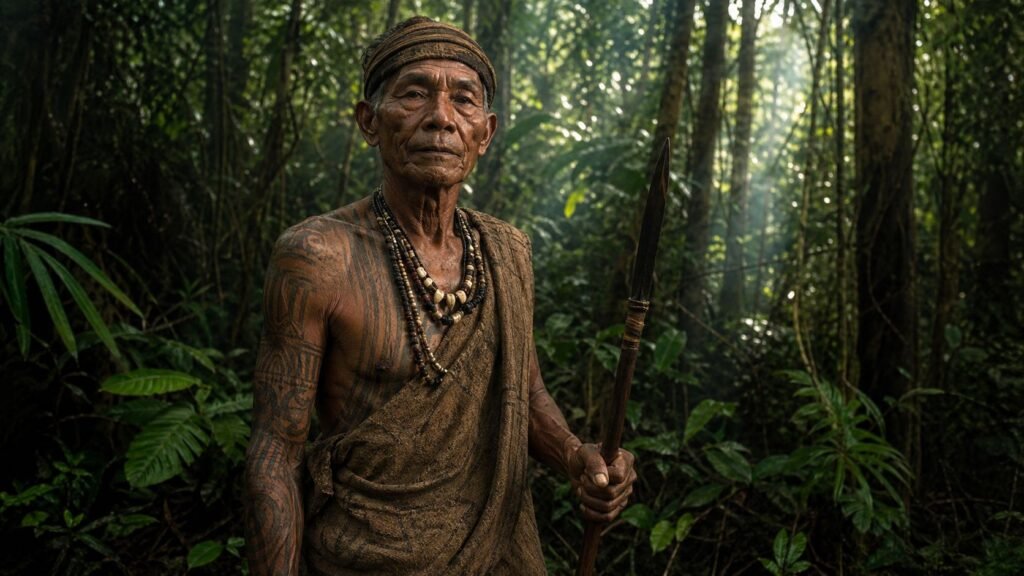
The Sikerei, who is both a shaman and a medicine man, is at the center of Mentawai society. The Sikerei are the spiritual leaders of the society. You can easily tell them apart by their intricate tattoos, loincloths made of beaten tree bark, and hair decorated with flowers and leaves. They don’t just repair bodily problems; they also connect the human realm with the spirit world.
People think that if a clan member gets sick, it’s because their spirit has left their body because of an imbalance or an offense to the forest spirits. The Sikerei will do complicated, hypnotic healing rituals to bring the spirit back. People often sing, dance in a rhythmic way that mimics the movements of woodland creatures, and kill pigs or chickens to please the spirits during these events. Seeing a Sikerei go into a trance-like state by the flickering light of a resin torch is quite humbling and goes against what modern medicine says, but it is full of spiritual force.
2. The Uma: Inside the Longhouse for Everyone
The Mentawai do not reside in homes that are separate from other homes. They reside in big, well-built communal longhouses called Umas. Built entirely from forest materials—bamboo, palm fronds, and massive hardwood beams—without the use of a single metal nail, the Uma is an architectural marvel.
The Uma is built on raised stilts to protect against flooding and wild animals. Inside, it is a vast, open space divided into specific zones: a large front veranda for socializing and receiving guests, a central fire pit for cooking and ceremonies, and sleeping quarters toward the back. The skulls of creatures that were hunted, like monkeys, wild boars, and deer, are proudly exhibited near the ceiling.
These are not just trophies; they are a gesture of respect meant to keep the animals happy so they will keep providing for the clan. The Uma creates a strong sense of togetherness. There is no real privacy, but there is also no loneliness. Everyone shares everything, from food to taking care of kids to the stress of living.
3. The Art of Traditional Tattoos: Ancient Ink
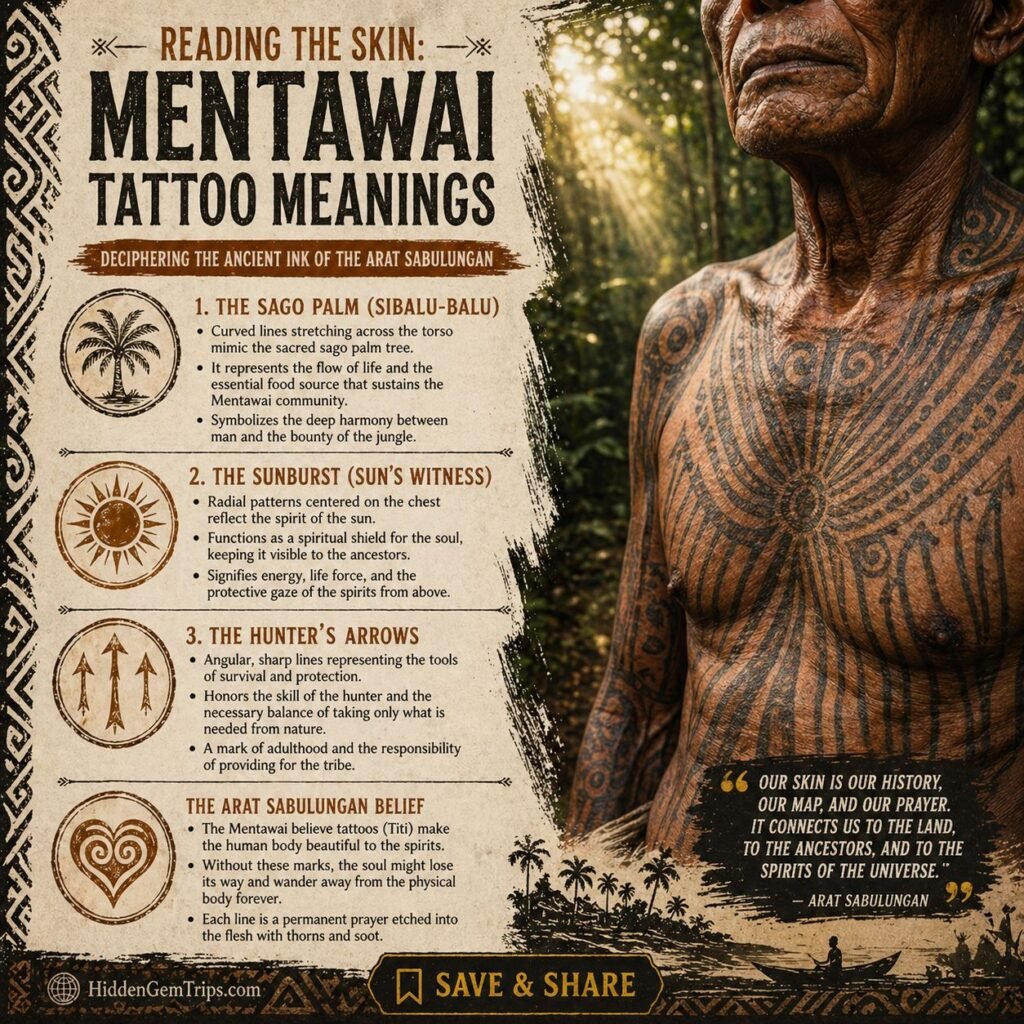
In Mentawai culture, tattoos were a holy rite of passage long before they became a fashion statement around the world. People say that the Mentawai have one of the oldest tattooing traditions in the world. Tattoos, or titi, are more than just decorations for them. They tell the story of a person’s life, where they fit in with the world, how they link with the forest, and how to help their spirit get home after they die.
It hurts a lot and you have to do it by hand. A needle fashioned from an animal bone or sharpened wood is attached to a stick. The tattoo artist drops the needle into a natural ink produced from sugar cane juice and soot, then taps it on the skin with another wooden stick in a rhythmic way. The patterns are quite geometric and symbolic. Curved lines could stand for the important sago tree, and detailed chest patterns frequently seem like the sun or a hunter’s bow. It takes years and immense physical endurance to complete a full-body Mentawai tattoo.
4. Sago Foraging and Food from the Jungle
While many visitors expect indigenous tribes to rely solely on hunting, sago is actually the staple of the Mentawai diet. Extracting sago from the core of the sago palm is a labor-intensive, communal activity. The men felled a mature tree, split it open, and used wooden adzes to scrape out the fibrous pith. The ladies then take this pith to a brook nearby, where they wash and knead it to get the starchy sago flour.
When you bake this flour in palm leaves over an open fire, you get a rich, chewy bread that gives you the carbs you need to live in the jungle. The forest also provides a bounty of fruits, roots, and vegetables. For protein, the Mentawai rely on rivers and forests. The Mentawai get their protein from rivers and woods. For the really brave traveler, there is the famed Mentawai delicacy: the live sago grub. These fat, yellow larvae come straight from the rotting trunk of a fallen sago tree. They can be eaten raw or roasted, and they have a surprisingly rich, buttery burst of protein.
5. The Art of the Poisoned Arrow
Hunting in the dense rainforest requires exceptional skill, stealth, and deep ecological knowledge—the Mentawai hunt primarily with bows and arrows. Because the jungle canopy is thick and animals move quickly, a single shot rarely kills a monkey or wild boar outright. Therefore, the Mentawai rely on highly potent poison.
Only the Sikerei know how to make this poison, and they keep it a secret. It is a complicated mix of poisonous plants, roots, and tree sap that can be found deep in the forest. The tips of the wooden arrows are delicately painted with the mixture. The poison works rapidly, stopping the animal’s heart and making it paralyzed. The Sikerei will beg the spirits of the forest for permission to kill an animal before they go hunting. After a successful hunt, rituals are done to honor the soul of the animal. This keeps the delicate balance of Arat Sabulungan.
6. Kabita: Making cloth out of bark
The kabita, or loincloth, is still worn by many Sikerei and older people, especially during festivities, even though contemporary clothes are slowly making their way to the Mentawai islands. Making the kabita shows how creative the Mentawai people are.
The bark of the Baiko tree is used to make it. Carefully take a piece of bark from the tree, and then start the long, hard process of beating. For hours, a tribal member will hit the bark against a log with a large wooden club. This makes the hard wood fibers softer and steadily stretches and expands the bark until it looks like a strong, flexible fabric. After that, it is cleaned, dried in the sun, and occasionally dyed with natural plant extracts. The finished product is quite strong and appropriate for the rainforest’s severe, muddy environment.
7. The Best Digital Detox
The lack of modern technology is probably the most shocking but ultimately freeing thing about seeing the pristine Mentawai tribes. There is no Wi-Fi, no mobile coverage, and no electricity except for a few hours at night when a noisy generator or solar-powered light bulb is utilized.
In a world where notifications and screens continuously break our focus, living in this extreme environment is the best way to follow the slow travel manifesto. You are forced to be entirely present. You will sit by the fire, listening to the rain hammer against the thatched roof of the Uma. You will talk to each other with gestures, smiles, and your guide’s translation. The sounds of the jungle will lull you to sleep, and the light will wake you up. It is a profound mental reset that cannot be found at a lakeside resort.
How to Respectfully Visit the Mentawai Islands
Visiting a remote, indigenous community comes with massive ethical responsibilities. The Mentawai are not a tourist attraction; they are human beings living a fragile way of life that is constantly under threat from modernization, deforestation, and government assimilation programs.
First and foremost, you must hire a reputable, local Mentawai guide. Do not attempt to arrange a trip through large, foreign-owned tour operators in Bali or Jakarta. Utilizing genius budget hacks is great for domestic flights, but when it comes to jungle trekking, your money must go directly into the hands of the local community. A good guide acts as a cultural bridge, ensuring you understand the strict taboos and protocols of the Uma.
Furthermore, do not bring modern junk food, plastic trinkets, or inappropriate gifts. If you wish to bring gifts, consult your guide. People often favor practical gifts the most, such high-quality machetes, tobacco (which is a big part of Mentawai culture), or basic medical supplies.
You also need to learn about the bigger problems that the area is facing. The Mentawai have fought hard to maintain their culture against logging companies and missionary efforts. Supporting indigenous rights organizations like AMAN (The Indigenous Peoples Alliance of the Archipelago) helps amplify their voices on a national and global stage.
Finally, recognize that your presence has an impact. Ask permission before taking any photographs. Do not treat the Uma like a petting zoo. Sit with them, observe, respect their space, and understand that you are a guest in their ancestral home.
While you are exploring Indonesia’s incredible diversity, consider going beyond the standard itineraries. If the deep-sea wonders appeal to you, reading about Indonesia’s deep-sea biodiversity in Sabang offers a fascinating aquatic contrast to the dense jungles of Siberut. Or, if you want to swap the overcrowded beaches of Papua, dive into a Kei Islands secret guide. The true magic of travel lies at the edges of the map, and the Mentawai Islands remain one of the most vibrant, beating hearts of the ancient world.
Frequently Asked Questions (FAQ)
1. Is it safe to visit the Mentawai tribes in the deep jungle?
Visiting the interior of Siberut is generally safe in terms of human interaction; the Mentawai people are incredibly hospitable to respectful guests. The main safety issues are environmental: thick mud, slippery jungle trails, extreme heat, and the chance of getting sick from tropical diseases. You need to hire a local guide who knows the area and the culture to help you get about.
2. How hard is it to walk to the Umas?
It is quite hard. You will be walking through thick, damp rainforest, and the mud will often be so thick that you will sink up to your knees. To cross rivers, you’ll have to balance on slippery logs and sit in a boat for a long time. You need to be in good shape physically and have a strong mind.
3. What should I pack for a Mentawai expedition?
Pack extremely light and functional. You need durable jungle footwear (many people like local rubber boots with cleats), quick-drying lightweight clothes, a high-quality waterproof dry bag for all your belongings, a bright headlamp, heavy-duty insect repellant, and personal first-aid supplies (including care for blisters).
4. Should I take medicine for malaria?
Yes. Malaria, dengue fever, and other diseases spread by mosquitoes are very likely to happen on the Mentawai Islands. You need to see a travel medicine clinic well before your trip to get the right antimalarial medicine and make sure all your usual immunizations are up to date.
5. How long should I expect to be in the jungle?
To truly experience the culture and justify the long, arduous journey, a minimum of 4 to 5 days in the jungle (excluding travel time to and from Siberut) is recommended. Anything less will feel rushed, and you will spend the majority of your time just in transit.
Travel Disclaimers
Visiting the Mentawai requires strict cultural sensitivity; visitors must suspend modern judgments about practices such as animal sacrifice, which are integral to the Arat Sabulungan belief system. There are no medical facilities in the jungle, therefore it’s important to have full travel insurance and read official travel warnings.
To safeguard the fragile ecosystem, always follow “Leave No Trace” and take all of your trash with you. Lastly, make sure your visit helps local Mentawai conservation efforts and double-check the information with your guide, since travel rules and access might change quickly.