
While the world queues for hours to catch a glimpse of Machu Picchu through a sea of selfie sticks, a few hundred kilometers away sits its “sacred sister,” bathed in silence and guarded by the fierce Apurimac River. The Choquequirao Trek Secret isn’t just a hike; it is a time machine. As a seasoned trekker who has navigated the Accursed Mountains of Albania and the Simien Mountains of Ethiopia, I can tell you: Choquequirao is the most physically demanding and spiritually rewarding site in the Americas.
1. The Luxury of Absolute Solitude
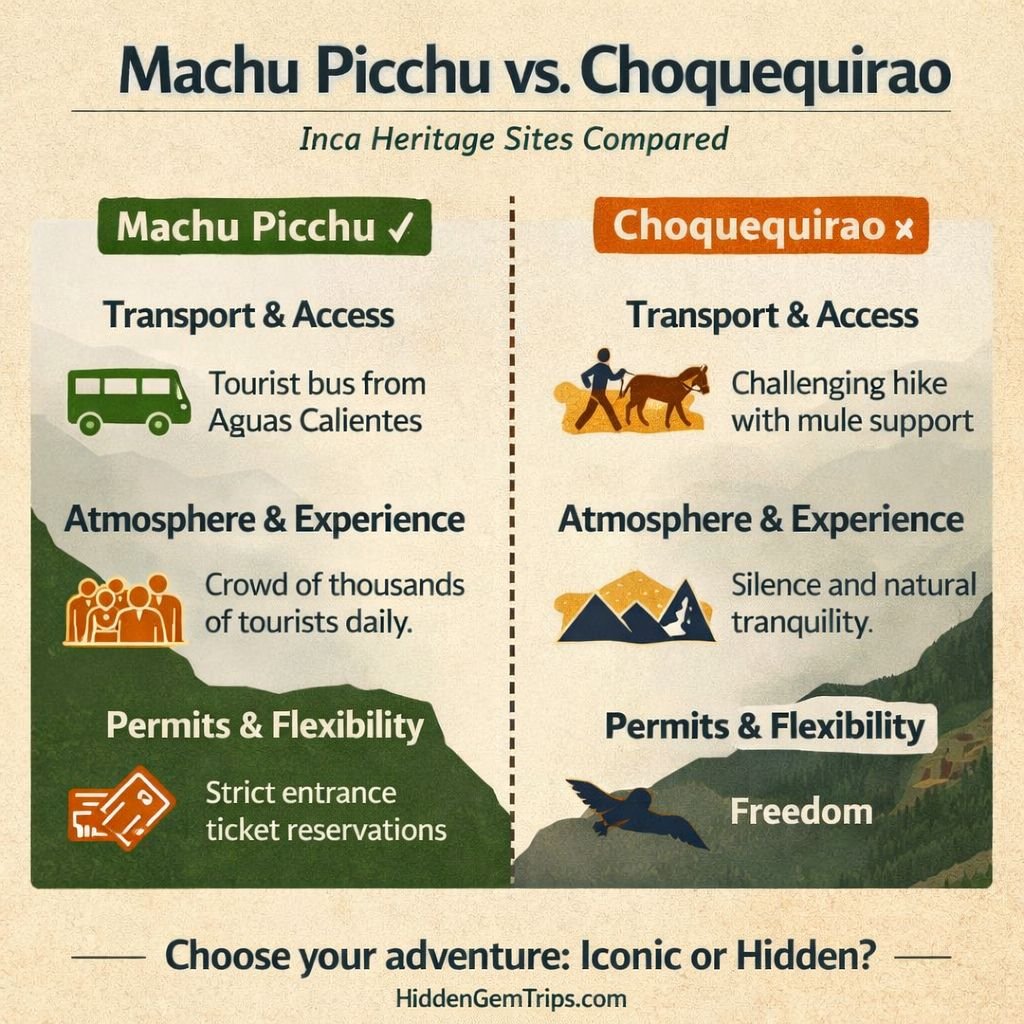
In 2026, finding a world-class archaeological site without a “crowd management” officer is nearly impossible. Machu Picchu currently limits visitors to strict circuits, a move supported by the UNESCO World Heritage Centre to prevent site degradation. In contrast, the Choquequirao Trek Secret offers a raw, unfiltered experience. On an average day, fewer than 50 people stand among these ruins.
This level of isolation allows you to practice the principles of The 2026 Slow Travel Manifesto. You can sit on the “Usnu” (ceremonial platform) for hours, watching the Andean Condors circle the 1,500-meter deep Apurimac Canyon, without a single soul interrupting your thoughts. It is the ultimate manifestation of how to find untouched paradises in a crowded world.
2. The “Llama Terraces”: A Masterpiece of Inca Art
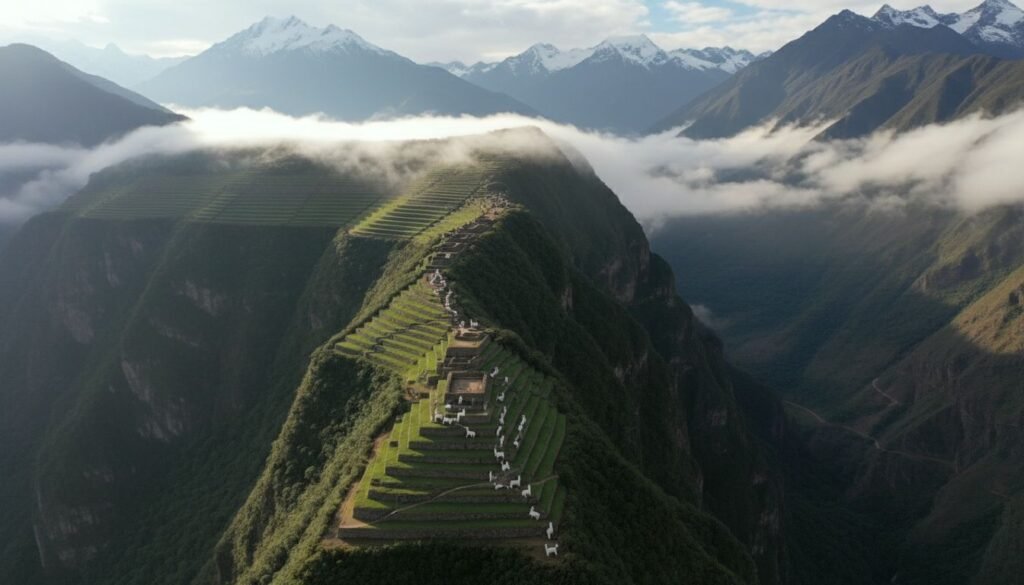
Unlike the standard agricultural terraces found elsewhere, Choquequirao features the unique Terras de Llamas. These are 24 stone mosaics of llamas built directly into the steep terrace walls using white silica stone. According to the World Monuments Fund, these structures represent a sophisticated fusion of engineering and religious iconography.
From an expert perspective, these terraces weren’t just for farming; they were a religious statement. To see them, you must descend a dizzying series of stone steps that cling to the side of a cliff. The effort required to reach them ensures they remain pristine. This is “meaningful luxury”—not in the sense of silk sheets, but in the rarity of the view. If you are traveling on a budget but want these high-end experiences, our guide on affordable opulence and world-class hidden gems explains why investing in a trek like this offers more “wealth” than a 5-star hotel in Cusco.
3. The Physical Challenge: Defeating the Apurimac
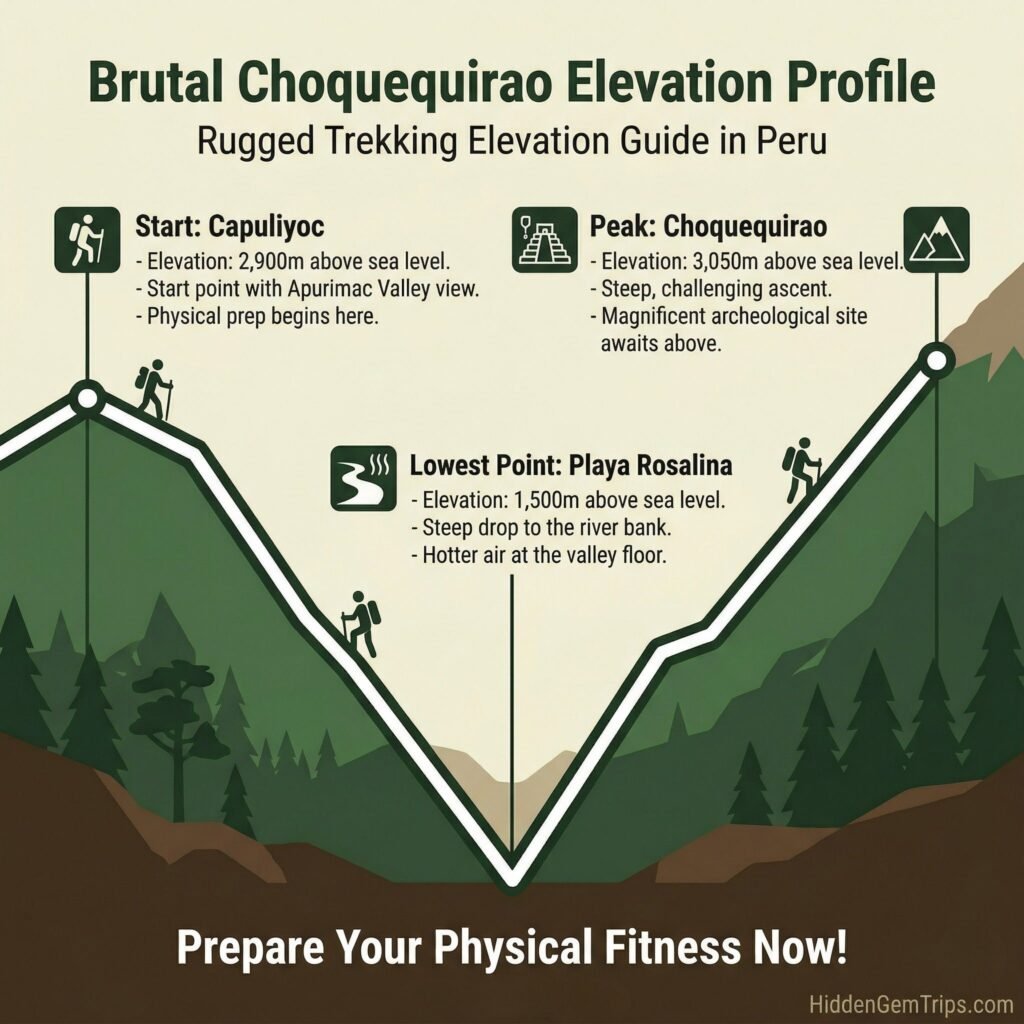
The Choquequirao Trek Secret is notoriously difficult. The standard route involves a brutal 1,500-meter descent from Capuliyoc to the river, followed by an immediate 1,500-meter ascent to the ruins on the second day. The heat in the canyon is oppressive, and the “switchbacks of death” test every ounce of your resolve.
Because the terrain is so unforgiving, your gear strategy is critical. I cannot emphasize enough the importance of following our 10 pro secrets for packing light for remote expeditions. Every extra kilogram in your pack will feel like ten when you are climbing out of the canyon at 3,000 meters.
- Pro Tip: Invest in high-quality trekking poles and a lightweight hydration system. For a full list of what we use, see our 2026 must-have packing list.
The climb is often compared to the Simien Mountains Hike, but the vertical drop of the Apurimac adds a layer of psychological intensity that even the Andes rarely match.
4. The Race Against the Cable Car
The “secret” status of Choquequirao is under threat. The Peruvian Ministry of Culture has recently fast-tracked discussions regarding a cable car project designed to transport thousands of visitors per day to the ruins. While this project aims to boost tourism revenue, it threatens the fragile ecosystem of the cloud forest.
Visiting the Choquequirao Trek Secret now, before the infrastructure changes, is a matter of historical urgency. Once the cable car arrives, the magic of the two-day pilgrimage will be lost forever. This is why we advocate for finding underrated destinations worth visiting before they become mainstream. Choquequirao is currently in that “sweet spot” of discovery.
5. A Safe Frontier for Modern Explorers
Despite its remote nature, the trek is surprisingly safe for those who are prepared. The local communities in San Pedro de Cachora have built a reliable system of muleteers (arrieros) and campsites.
For women travelers concerned about safety in remote South America, this route is highly recommended due to the close-knit community of guides. It fits perfectly within The 2026 Solo Female Travel Map for under-the-radar cities and trails. You aren’t just a tourist; you are a guest of the mountain.
Survival Logistics: Planning Your Expedition
When to Go: The Dry Season Window
The dry season (May to September) is the only time to attempt the Choquequirao Trek Secret. During the rainy season, the steep trails become treacherous mudslides, and the Apurimac River can become impassable.
Expert Advice on Altitude
Do not underestimate the Andes. Spend at least 3 days in Cusco (3,400m) before starting the trek. Altitude sickness can end your trip before you even see a llama terrace. We discuss the physiological impact of high-altitude travel in our Digital Nomad 2.0 Guide: Master the Best Slow-mading Peaks.
Budgeting for the Trek
If you are looking for Travel Indonesia Like a Local: 10 Genius Budget Hacks for Finding Hidden Gems, apply those same principles here: hire local muleteers directly in Cachora rather than booking expensive agencies in Lima. You will save 40% while ensuring your money goes directly to the community.
FAQ: Your Choquequirao Questions Answered
1. Can I do the Choquequirao Trek Secret without a guide?
Yes, it is possible for experienced backpackers. However, hiring a local muleteer supports the local economy and ensures you don’t have to carry 20kg up a 1,500m incline.
2. How does it compare to the Inca Trail?
The Inca Trail is a “glamping” experience by comparison. Choquequirao is harder, steeper, hotter, and has 95% fewer people.
3. Is there water on the trail?
There are small streams and campsites, but you must use a high-quality filtration system. Never drink directly from Andean streams.
4. What is the total cost?
If going solo, you can do it for under $300 USD. A high-end guided expedition costs between $600 and $900 USD. This is a prime example of budget hacks for finding hidden gems —paying for the right support rather than useless luxury.
5. Are there crocs or dangerous animals?
No crocodiles here (unlike the Ennedi!), but watch out for the “miche” (small biting flies) in the canyon. Bring high-DEET repellent.
Disclaimers
Affiliate Disclosure: This article may contains affiliate links for trekking gear we have personally tested in the Andes. If you purchase through these links, Hidden Gem Trips may earn a small commission at no extra cost to you.
Physical Risk: This trek involves extreme physical exertion at high altitudes ($3,000m+$). Consult a doctor if you have heart or respiratory conditions.
Environmental Protection: Choquequirao is a candidate for UNESCO World Heritage status. Do not remove stones, litter, or touch the ancient murals.