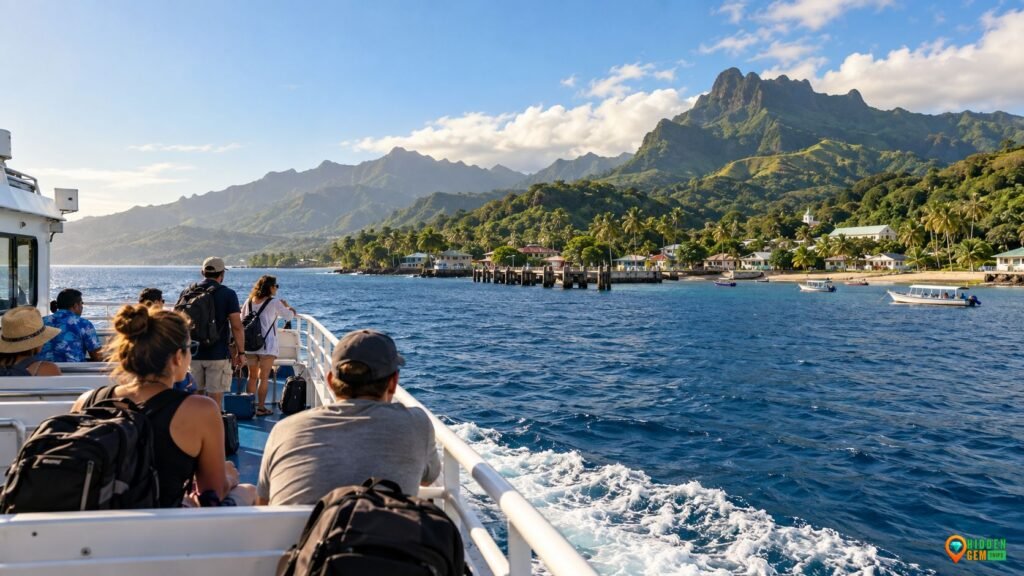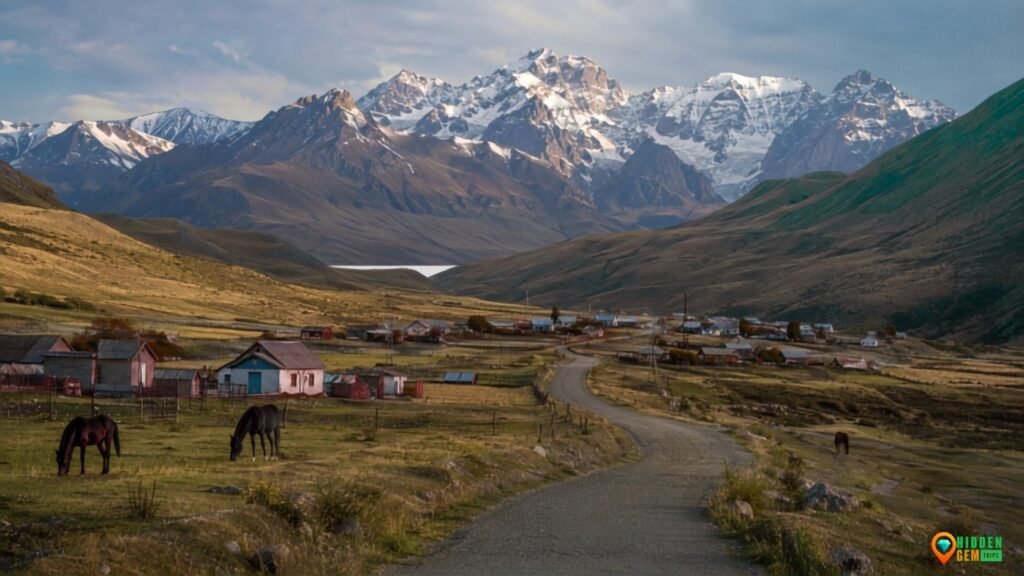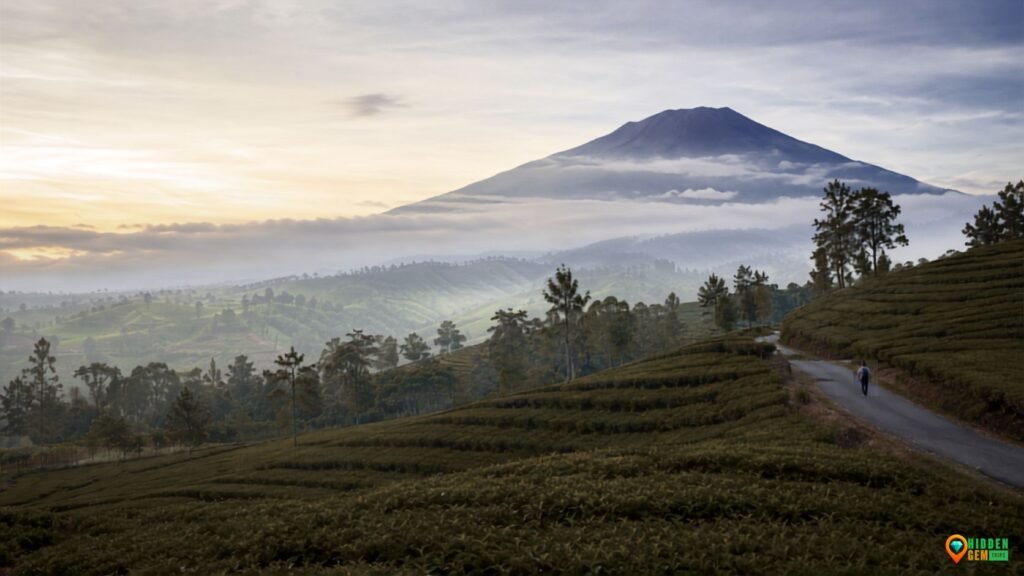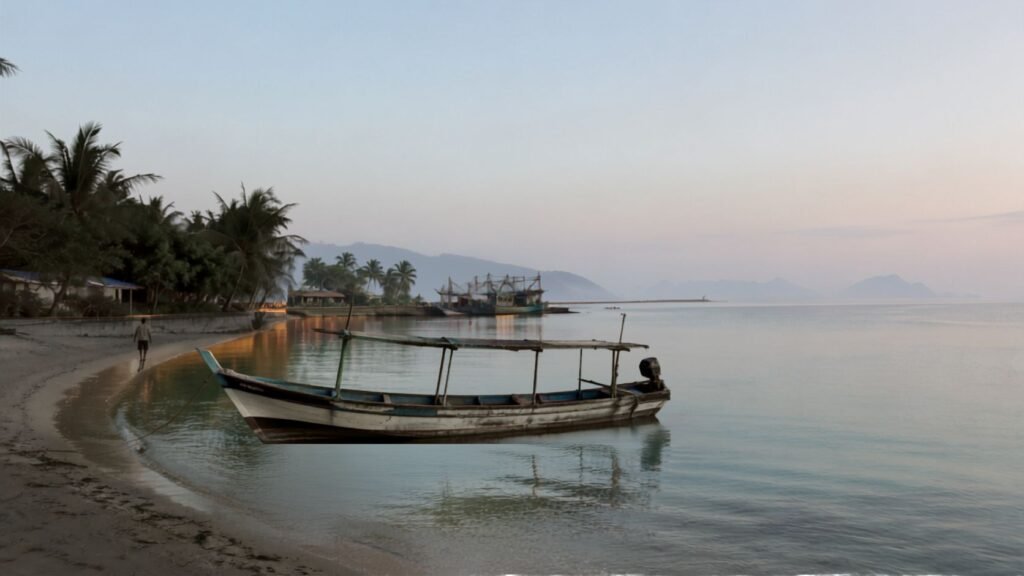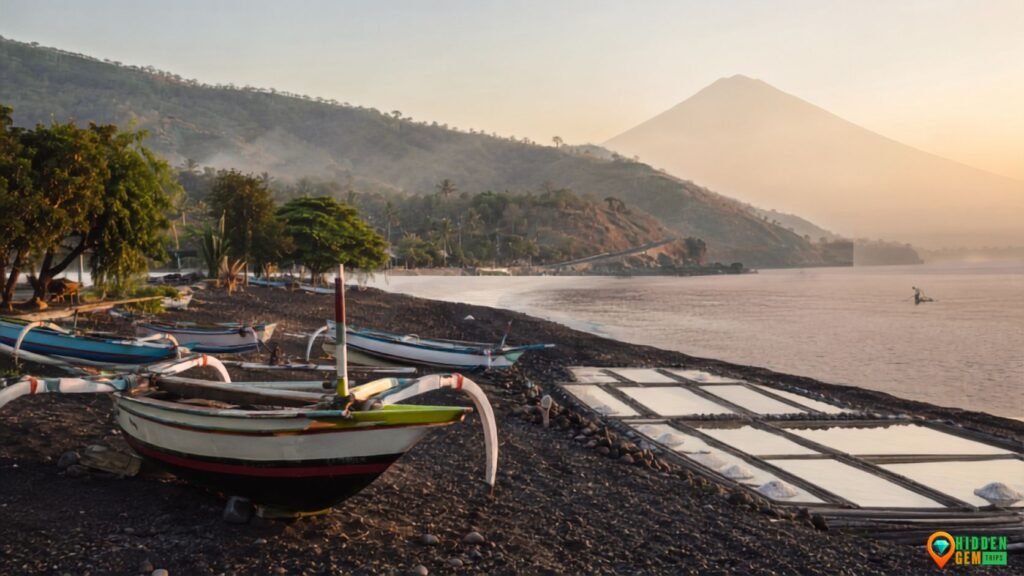

It’s a strange world when a TikTok video can turn a sleepy beach town into a tourist hotspot in the blink of an eye. The very essence of exploration feels threatened. Having launched Hidden Gem Trips, I’ve spent the last decade navigating the tricky balance between “well-loved” and “overrun.” I understand that places like Socotra, or the remote summits of Kyrgyzstan, can go from “off the radar” to “fully booked” in a single year.
This hidden gem travel guide isn’t just a list of locations—it’s a methodology for the modern explorer who values depth over popularity. Finding a “hidden gem” is no longer about stumbling upon a map; it is about outsmarting the algorithm.
1. The Paradox of Popularity: Why “Hidden” is the New Luxury in 2026
The tourism industry is seeing a massive shift. According to the UN World Tourism Organization (UNWTO), international tourist arrivals have reached 97% of pre-pandemic levels as of 2024. This “revenge travel” has caused “overtourism” in places like Venice and Kyoto.
When a destination becomes a “top 10” listicle staple, it often loses the very soul that made it special. Finding a hidden gem is about preserving that soul while supporting local economies that actually need the revenue. If you are curious about how this wanderlust impacts fragile ecosystems, you must read our deep dive on Socotra 2.0: Is Our Wanderlust Destroying Earth’s Last Alien Landscape?.
In 2026, true luxury isn’t a five-star hotel; it’s the silence of nature. We seek places where phone notifications are replaced by the sound of untouched waves or the mountain wind in areas without 4G signals.
2. The Digital Breadcrumb Strategy: Outsmarting the Algorithm
Most people start their search on the first page of Google or Instagram’s “Explore” tab. That is your first mistake. To find the un-findable, you have to look where the algorithms aren’t looking.
Use Heatmaps, Not Hashtags
Instead of searching for “Best beaches in Bali,” I use Strava Heatmaps or Google Earth. I look for areas with minimal infrastructure (dirt paths) but very low “heat” (human activity). Using this technique, I’ve found several untouched spots in the Bali & Nusa Tenggara region that don’t even have names on Google Maps.
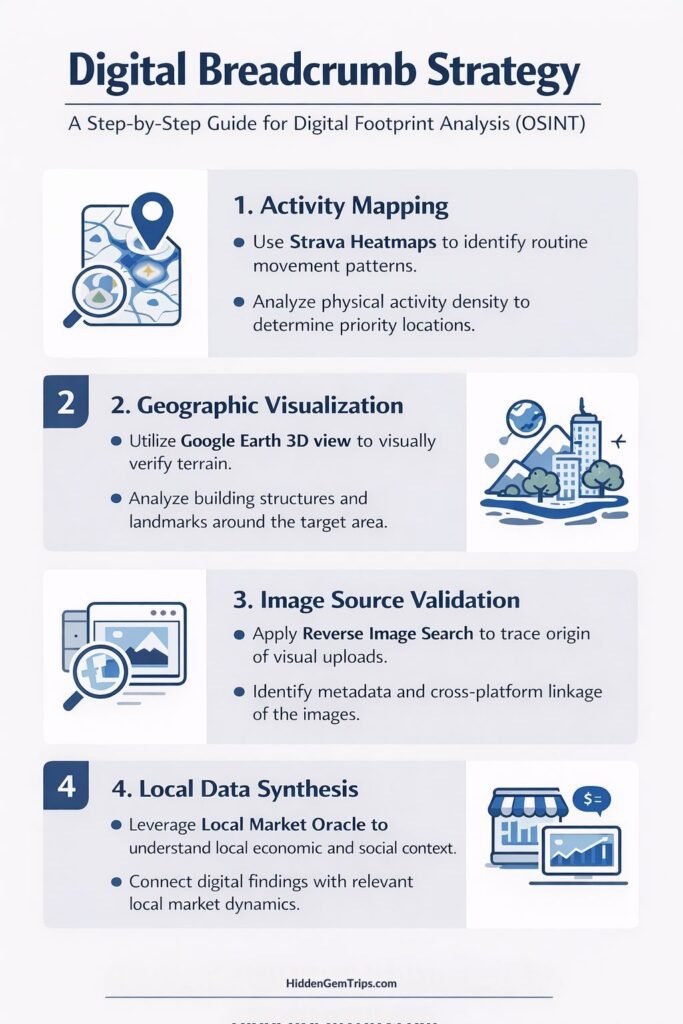
The Manual “Reverse Image” Technique
If you see a stunning photo on a generic travel account without a location tag, use Google Lens. But don’t stop there. Look for geographical patterns. These clandestine images frequently originate from parts of Sumatra experiencing a revival in eco-friendly tourism. Often, these “secret” photos come from regions in Sumatra that are currently seeing a resurgence in sustainable tourism. In my experience, these unmarked places typically have the best hospitality I’ve ever seen.
3. The 2026 Travel Landscape: Shifts You Must Understand
The world of travel in 2026 is defined by “Slow-mading” and “Dark Sky” chasing. We are moving away from the “checklist” travel of the previous decade.
Dark Sky Reserves: Chasing the Universe
With light pollution increasing, travelers are seeking places where the stars are still visible to the naked eye. Check out our Ultimate Guide to 2026 Dark Sky Reserves to find the best stargazing spots on Earth. These locations are inherently “hidden” because they require significant distance from urban centers.
Digital Nomad 2.0: High-Altitude Productivity
It’s no longer just about Bali or Lisbon. The new wave is about “Slow-mading” in mountain peaks or remote villages. Our Digital Nomad 2.0 Guide breaks down how to master this lifestyle while staying connected to the local community.
4. Regional Deep Dives: The Hidden Heart of Indonesia
Indonesia remains one of the world’s greatest archives of hidden gems. However, most travelers never leave the “main trail.” To truly see the magic of the archipelago, you must look further.
Java: Behind the Grandeur of Temples
While everyone flocks to Borobudur, the rugged southern coast and the mist-covered highlands of Java offer a glimpse into ancient Indonesia. I highly recommend exploring the limestone caves of Pacitan or the Dieng Plateau during the off-season to avoid local school holiday crowds.
Sulawesi & Papua: The Last Frontiers
These are the final frontiers of global travel. If you want to experience cultures and biodiversity that feel like another planet, our Sulawesi & Papua category covers the essentials for these rugged expeditions. From the marine life in Raja Ampat to the inland cultures of the Baliem Valley, these places offer a temporal shift few ever witness.
5. Planning for the Unknown: Essentials & Budgeting
Traveling to under-the-radar spots requires a high level of preparation. You cannot rely on 24/7 convenience stores or stable 5G.
Essential Gear & Logistics
Before you go, visit our Essentials section to understand which documentation and health precautions, such as CDC Travel Health regulations, you need to consider. I always pack a satellite messenger (like a Garmin InReach) when entering “blind spots” on the map.
Realistic Budgeting: The Hidden Cost of “Hidden”
Hidden gems aren’t always “cheap.” Sometimes, the “last mile” transport—like a private boat, a 4×4 rental, or a local fixer—can cost more than your international flight. We’ve broken down the math in our Budgeting & Cost Planning guide to help you avoid financial surprises.
6. Solo Travel in the Shadows: Safety and Empowerment
Is it safe to go where there are no crowds? Absolutely. In fact, many rural communities are more protective of guests than large metropolitan areas. We’ve mapped out the 10 Safest “Under-the-Radar” Cities for Solo Female Travelers in 2026 to give you peace of mind. The key is deep research and respecting local norms.
7. The Ethical Dilemma: To Share or to Gatekeep?
As a travel writer, I face a constant “Gatekeeper’s Dilemma.” If I publish the exact coordinates of a pristine beach, do I destroy it?
At Hidden Gem Trips, we align our recommendations with global best practices for sustainable tourism, including principles promoted by IATA Traveler Guidance. We share the region and the culture, but we leave the “final mile” to you. We believe a gem is only “earned” if you put in the legwork. This protects the environment and ensures only respectful, dedicated travelers reach these sensitive spots.
8. Mastering the “Slow Travel” Itinerary
If you want to use this hidden gem travel guide effectively, you must learn to slow down. Most itineraries fail because they try to see too much in too little time.
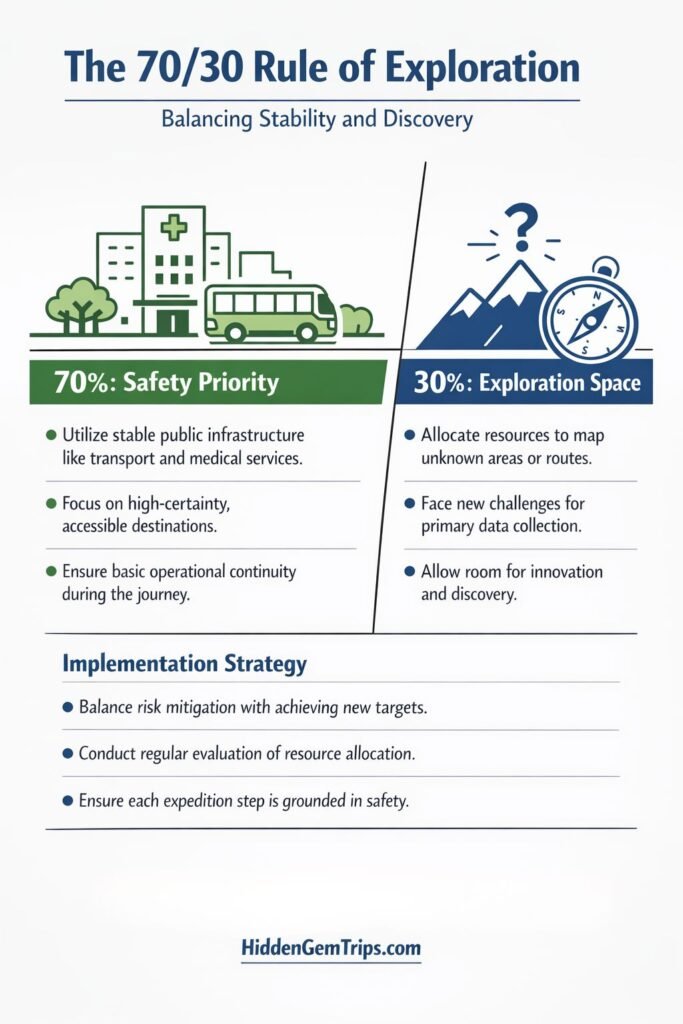
The 70/30 Rule of Exploration
I always advise our readers at hiddengemtrips.com to follow the 70/30 Rule:
- 70% of your time: Spend it in “safe” zones (known cities with medical facilities and transport).
- 30% of your time: Dedicate this to the unknown.
This ensures you have a “base camp” for comfort while still having enough time to get lost. For more on structuring your days, see our Itineraries & Pacing guide.
9. Technology and Hidden Gems: How to Get Around in the Future
In 2026, technology has both good and terrible sides. It takes away the mystery when it maps the world. To remain ahead, explorers are using unique apps that prioritize privacy and local knowledge over social sharing.
The Part AI Plays in Exploration
AI can help figure out when “overcrowding” will happen before it does. By analyzing booking data and social sentiment, we can steer our community toward Travel Guides that are currently in their “golden window”—accessible but not yet commercialized. Use technology as an assistant, not as the sole decider of your journey.
FAQ: Frequently Asked Questions about Hidden Gem Travel
1. How do I know if a place is truly a “hidden gem”?
A true hidden gem usually lacks mass-market infrastructure (like international hotel chains), has a language barrier, and isn’t dominated by “top things to do” on major travel sites.
2. Is it safe to travel to these “under-the-radar” places?
Safety varies. We always recommend checking IATA Traveler Guidance for international travel documentation and local safety advisories.
3. Do I need special insurance?
4. How can I contribute to sustainable tourism?
Hire local guides, stay in family-owned homestays, and never leave trash behind. For more tips, see our Itineraries & Pacing guide.
Disclaimer
The information provided in this hidden gem travel guide is for educational and inspirational purposes only. While we strive for accuracy, travel conditions, local regulations, and safety status can change rapidly. When our guides include affiliate recommendations, we follow transparent disclosure practices aligned with FTC guidelines. Always conduct your own research and consult official government travel advisories before embarking on your trip.