
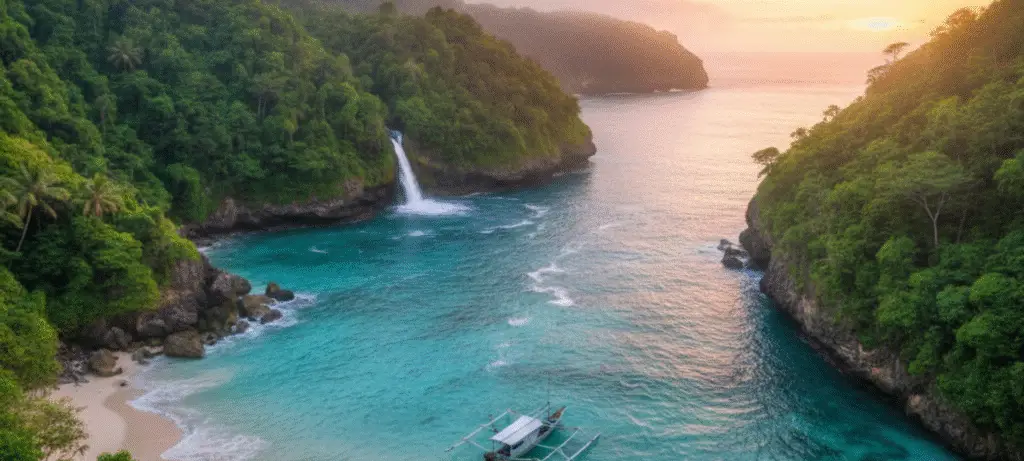
Hidden gems Indonesia are often found far from the usual tourist routes—quiet places where culture, nature, and authentic local life still thrive.
When most travelers think of Indonesia, three destinations instantly come to mind: Bali, Jakarta, and Yogyakarta. There’s nothing wrong with that—these places are iconic for a reason. But as someone who has explored Indonesia far beyond the typical tourist trails, I can say one thing confidently:
Off the mainstream routes often lie Indonesia's best-kept secrets.
From quiet volcanic villages to islands with only a handful of visitors per week, Indonesia offers a depth of beauty that rarely appears in travel magazines or bucket-list videos. And these hidden gems—authentic, quiet, and deeply cultural—are precisely what today’s travelers are craving.
This guide is built on firsthand travel experience, conversations with locals, regional tourism data, and insights from sustainable travel research, including reports from the UNWTO (United Nations World Tourism Organization) and Indonesia’s Ministry of Tourism & Creative Economy (kemenparekraf.go.id).
If you're searching for places that feel meaningful, real, and untouched by tourism hype, you’re in the right place.
To understand how we curate destinations and why some places remain untouched, read our overview on Discover Hidden Gems
Why Indonesia’s Best-Kept Secrets Matter More Than Ever
Slow travel is gaining popularity worldwide. According to UNWTO’s 2024 Tourism Outlook, 58% of travellers now prefer destinations that offer “authentic and less crowded experiences” (source). Indonesia, with its 17,000+ islands, is perfect for this shift—but most of its soul still sits outside travel brochures.
👉 For curated, step-by-step destination breakdowns, visit our Travel Guides
Hidden gem destinations matter because:
- They preserve local culture better than heavily commercialized regions.
- They reduce overtourism in places like Bali and Komodo.
- They spread economic benefits to smaller communities.
- They give travelers the chance to experience Indonesia, just as Indonesians do.
As a traveler, some of my most memorable journeys weren’t in famous spots—they were in small harbors, mountain markets, and villages willing to open their doors when I asked, “What’s the best thing to do here that tourists don’t know about?”
These destinations represent some of the most authentic hidden gems Indonesia has to offer today.
1. Sumba Island: The Raw, Untamed Side of Indonesia
If Bali feels like a polished postcard, Sumba feels like a travel documentary no one has seen yet.
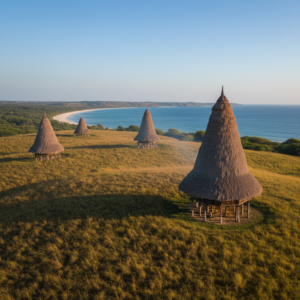
- Wild savannas
- Cliffside villages
- Hilltop megalithic tombs
- Empty beaches stretching for kilometers
Sumba remains one of the few islands where people proudly and openly live their traditional lives.
Why Sumba Is a Hidden Gem
Unlike Bali, Sumba’s economy isn’t built around tourism. The pace is slower. Life revolves around community traditions, such as Pasola, a centuries-old horseback ritual that is as emotional as it is intense.
I once stayed in a traditional Sumbanese home in Waikabubak, where my host family explained the meaning behind their tall-roofed houses—each level representing a connection between ancestors, humans, and spirits. It's rare to witness such a clear preservation of that kind of symbolism.
Sustainable Travel Tip
Sumba has fragile environments and communities. The Sumba Hospitality Foundation (shf.or.id) supports responsible tourism—worth supporting or volunteering with.
2. Belitung: Indonesia’s Most Beautiful Granite Beaches (Without the Crowds)
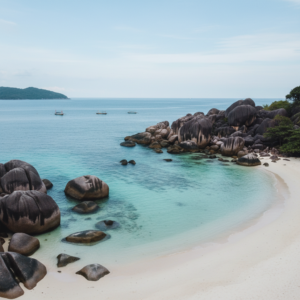
If Seychelles and Indonesia had a baby, it would look like Belitung.
 But here’s the secret:
Belitung’s beaches are as stunning as any luxury island, but without mass tourism.
Massive granite stones, glass-clear waters, and islands you can hop between on a fishing boat—all at a slow, gentle pace.
Why Belitung Stands Out
- Perfect for families & slow travelers
- Waters are safer than many surfing beaches
- Local seafood is incredible (try gangan, a yellow spicy fish soup)
Belitung is also part of Indonesia’s UNESCO Global Geopark list, which protects its natural rock formations and ecosystems.
3. Tana Toraja: Where Tradition Lives in Every House and Ceremony
Toraja is one of the most culturally distinctive places on Earth, not just in Indonesia.
 Why Toraja Is Worth the Journey
 Why Toraja Is Worth the Journey
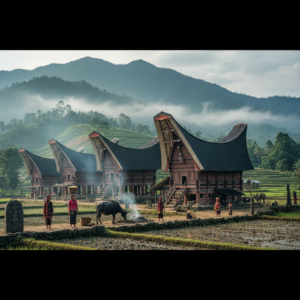
Here, ritual and community define life. The architecture alone is breathtaking: tongkonan houses with sky-reaching roofs and intricate carvings that reflect the ancestry and status of their owners.
But the authentic cultural experience lies in Toraja’s funeral ceremonies—multi-day events that bring villages together in a powerful expression of respect, tradition, and identity. As an outsider, it feels like witnessing a living museum.
Personal Insight
I once guided a group of slow travelers to a Torajan market at dawn. The experiences of savoring fresh coffee, witnessing buffalo trading, and watching woodcarvers shape tradition into art were among the most culturally immersive I have had anywhere in Southeast Asia.
4. Karimunjawa: An Underrated Paradise for Reef Lovers
Located north of Java, Karimunjawa is shockingly beautiful—and still shockingly underrated.
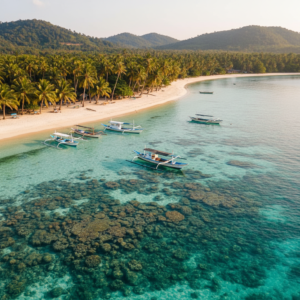 Imagine:
- Coral reefs you can snorkel from the shore
- Quiet sandy beaches
- A small island vibe similar to pre-tourism Gili Islands
- Villages where fishermen greet you with genuine kindness
What Makes It Special
Karimunjawa Marine National Park is home to more than 240 fish species and over 90 coral species (source: Indonesian Ministry of Marine Affairs).
It’s a paradise for eco-snorkelers and underwater photographers.
5. Lake Toba (The Quiet Side): Samosir’s Villages and Ancient Legends
Many travelers are familiar with Lake Toba, but they rarely venture beyond Tongging or the viewpoint spots.
The real hidden gems lie deeper inside Samosir Island.
Why the Quiet Side Is Special
- Batak culture is still practiced daily
- Ancient stone chairs in Ambarita village
- Beautiful lakeside homestays
- Hiking trails with zero crowds
The volcanic story behind Lake Toba is mind-blowing:
It’s the result of one of the most significant supervolcanic eruptions in history (~74,000 years ago, source: US Geological Survey—https://www.usgs.gov).
6. Labuan Bajo’s Less-Traveled Islands
Most people come for Komodo dragons, but the real magic is in the smaller islands few visitors reach:
- Seraya
- Kanawa
- Kalong (bat migration island)
- Kelor
My Personal Take
I once watched the sunset from Seraya’s highest point—wild goats grazing nearby, fishermen sailing home. No crowds. There were no tour boats present: just silence and orange skies.
7. The Hidden Waterfalls of Lombok
Everyone rushes to Bali’s waterfalls, but Lombok quietly holds some of the best in Indonesia.
Top Picks
- Benang Kelambu – waterfall veil
- Benang Stokel – Twin Falls
- Mangku Sakti – volcanic turquoise water
Lombok is a strong alternative to Bali for travelers seeking authenticity without heavy crowds.
Tips for Exploring Indonesia’s Hidden Gems Responsibly
Support Local
Choose local homestays, guides, and eateries for a truly authentic experience. Your impact helps sustain communities.
Respect Ritual & Culture
Indonesia’s cultural heritage is living, not staged. Always ask before taking photos.
Minimize Environmental Impact
Follow conservation guidelines from:
- UN Environment Programme – https://www.unep.org
- WWF Indonesia – https://www.wwf.or.id
Plan Safe Transport
Some hidden destinations require boats, motorbikes, or small local flights to access. Use official, licensed providers.
👉 If you’re new to our platform, learn more about our values and editorial process on the About Us page.
Best Time to Explore Indonesia’s Best-Kept Secrets
While the dry season (April–October) remains ideal, the shoulder seasons (March & November) offer lower prices and are underrated months. For weather data, reference:
BMKG (Indonesian Meteorology Agency) https://www.bmkg.go.id
Disclaimer:
This article is for general travel information and inspiration only. Conditions in destinations—such as accessibility, weather, safety, and local regulations—may change at any time. Always verify important details through official sources like BMKG for weather updates (https://www.bmkg.go.id) and theMinistry of Tourism & Creative Economy (https://kemenparekraf.go.id) before planning your trip.
When visiting natural or remote areas, follow the responsible travel guidelines provided by environmental organizations such as WWF (https://www.wwf.or.id) and adhere to global sustainability recommendations from UNEP (https://www.unep.org). Hidden Gem Trips is not responsible for risks, decisions, or travel outcomes based on this article.
