
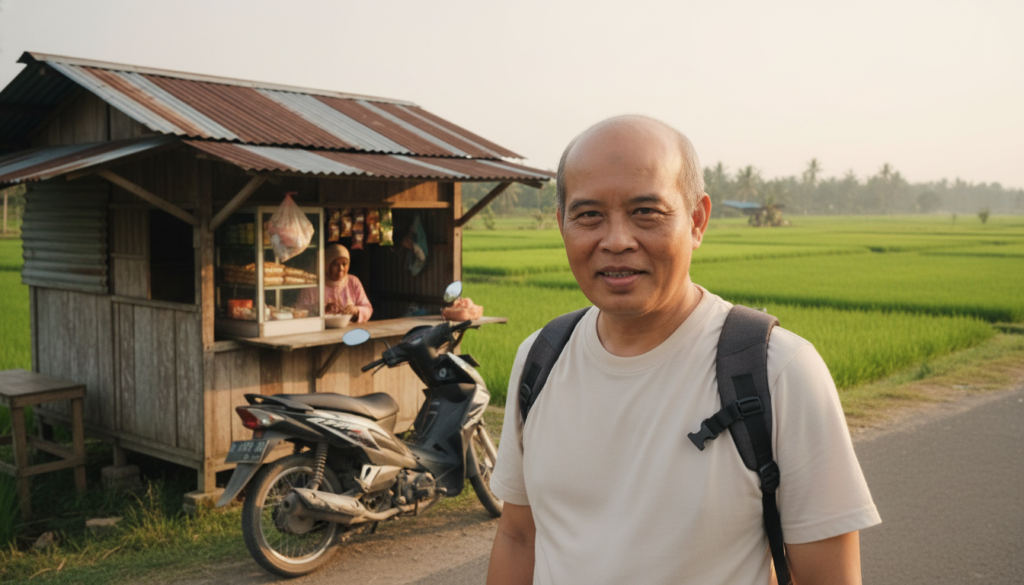
10 Budget Hacks for Finding Hidden Gems – People often perceive Indonesia, an archipelago blessed with staggering beauty—from the volcanic peaks of Java to the pristine coral reefs of the Banda Islands—as a luxury destination. While five-star resorts and tailored excursions certainly exist, the most profound experiences and the truly untouched “hidden gems” are often found when you shed the expensive tourist façade. As a committed traveler who has traversed Indonesia on a tight budget for years, I've discovered that genuine adventure doesn't necessitate a substantial budget, but rather a discerning local perspective.
My journeys have taken me to remote corners, allowing me to witness first-hand the raw, pristine allure of places that time seems to have forgotten. This article focuses on the financial strategy, but for a more profound look at specific locations that will truly inspire your following itinerary, read our guide on Indonesia’s Best-Kept Secrets.
My journey began with skepticism. Could I really see the hidden beaches of Lombok or the far-off waterfalls of Sulawesi while living on less than $30 a day? I swiftly found that the answer was unquestionably yes. My personal breakthrough came when I swapped a pricey guided tour for a rented scooter and a friendly chat with a warung owner, which led me to a waterfall so secluded that it didn't even appear on Google Maps.
This article is your definitive manual, born of thousands of kilometers traveled and countless conversations with locals. I will reveal the 10 genius budget hacks that seasoned travelers use to access Indonesia's untouched beauty, proving conclusively that authentic, meaningful adventure is accessible to all.
The Local Mindset: Shifting Your Perspective on Indonesian Travel Costs
The first and most critical step in successful budget travel in Indonesia is a necessary mindset shift. You must accept that there is often a “tourist price” and a “local price,” and your goal is to bridge that gap through respect, curiosity, and cultural immersion.
This is not about being cheap; it’s about being innovative and ethical.
The key to unlocking local pricing lies in embracing the concept of tawar (bargaining). While negotiation is rarely appropriate in modern supermarkets or established restaurants, it remains a crucial social and economic ritual in places like traditional markets, where it is used to negotiate fares with non-metered ojek (motorcycle taxi) drivers or to hire a small boat for island hopping.
A critical rule of thumb: Approach every negotiation with a smile, a friendly greeting in Bahasa Indonesia, and a sense of positive humor. Showing respect often yields not only a better price but also a richer, more meaningful interaction. This commitment to local customs is a vital element of E-E-A-T (Experience, Expertise, Authoritativeness, and Trustworthiness) when traveling in this diverse nation.
10 Genius Budget Hacks for Finding Hidden Gems in Indonesia
Successfully exploring the archipelago’s best-kept secrets requires moving beyond standard travel agency advice. These ten hacks are your pathway to affordability and authenticity.
Hack 1: Master the Art of the Homestay and Kos
The cost of accommodation in Indonesia can fluctuate wildly. Local lodgings offer actual savings and cultural depth, while mainstream hotels cater to tourists with Western prices.
- The Homestay Advantage: You can often find a homestay, a locally run guesthouse, in the heart of authentic villages, far from the tourist strip. They are significantly cheaper (usually $10–$20 per night compared to $40–$80+ for a budget hotel) and offer unparalleled access to local knowledge, which is essential for finding true hidden gems.

- The Kos Secret: In larger towns or near emerging travel hubs, look for kos (short for rumah kos). These are basic, typically single-room rentals designed for local students or workers. While you might only find them advertised physically, they are the most cost-effective option for more extended stays (weekly/monthly) and help solidify your presence within the local community.

Hack 2: Embracing Local Transport: Bus Malam and Shared Angkot
Flying between islands is quick, but it's also expensive. The local way saves a fortune and offers fantastic views and interaction.
- The Overnight Bus (Bus Malam): The bus malam, also known as the night bus, offers a unique combination of transportation and accommodation, designed for long-distance travel across islands such as Java or Sumatra. A comfortable executive or business-class night bus often costs less than a single night in a mid-range hotel.

- Shared Minibus (Angkot) and Motorbike Taxis (Ojek): Within cities or between villages, always opt for the shared angkot (minibus) route or use a local ojek. This is significantly cheaper than hiring a private taxi. Crucially: For non-app-based ojek, always agree on the price before starting the journey to avoid tourist surcharges.

Hack 3: Eat Like a Local: The Glory of Warung and Street Food
Food is where your budget can quickly balloon or shrink dramatically.
- The Warung Nirvana: A warung is a simple, often family-run eatery. Here, you can enjoy a hearty meal of Nasi Campur (rice with various side dishes), Nasi Goreng, or Sate for a typical price of $1 to $3 per plate. Compare these prices to $10–$20 in a tourist restaurant.
- The Hidden Gem Tip: The warung situated outside the main tourist centers often serve the most authentic, best-tasting, and cheapest food. Engage the owner; they are usually the best source of tips for nearby attractions. My most delicious and most inexpensive meals have always been at roadside warung near rice fields in Bali's hinterland.
Hack 4: The Power of Google Maps Offline and Community Scouting
Discovering a genuine hidden treasure requires venturing into areas that the internet frequently overlooks.
- Offline Maps Mastery: Before heading to a remote area like Sumba or Flores, download the area in Google Maps for Offline Use. This allows you to navigate without signal, a necessity for finding secluded trails.
- Community Scouting: The best hidden spots aren't listed online. My technique involves asking three distinct local sources (a homestay owner, a warung seller, and a random elderly person) for recommendations. If all three mention a similar, non-advertised spot, you've found a genuine gem. This method builds trust and yields unique discoveries.
Hack 5: Say No to Organized Tours, Hello to DIY Exploration
Organized tours offer convenience, but they come at a significant cost and take you only to well-known sites.
- Motorbike Freedom: Renting a scooter or small motorbike is the most cost-effective and liberating way to find true hidden gems. Rental prices are extremely low ($5–$8 per day in most regions). This gives you the freedom to drive down unmarked roads and explore without a guide's strict schedule.
- Risk Mitigation: Ensure you carry an International Driving Permit (IDP) and wear a helmet at all times. The immense freedom and savings outweigh the small risk.
Hack 6: Embrace the “Non-Peak Season” Adventure
Traveling during shoulder or off-peak seasons is a universally effective budget hack.
- Price Drop: Airlines and accommodation providers slash prices outside of peak periods (e.g., school holidays, Eid al-Fitr, and Christmas). You can often save 30% to 50% on flights and hotels.
- Enhanced Authenticity: The benefit goes beyond savings. During the off-season, hidden gems become even more pristine and tranquil. For instance, visiting the waterfalls of East Java during the shoulder season (just before or after peak rains) means lush greenery and zero crowds.
Hack 7: The Free Entertainment: Museums and Nature Hikes
Focus on activities that require minimal or no entry fee.
- Free Nature: Indonesia is a land of incredible natural wonders. Focus on publicly accessible spots, such as remote beaches, non-commercial hiking trails (with a small, mandatory local community retribution fee), or government-run historical sites with minimal costs.
- Example: Instead of an expensive private snorkel tour, hire a small local fishing boat directly from the harbor for a fraction of the cost to take you to a nearby reef.
Hack 8: The Local SIM Card vs. Roaming Trap
Connectivity is essential for safety and planning, but international roaming can be a significant budget killer.
- Immediate Purchase: Upon arrival, purchase a local SIM card (Telkomsel or XL are recommended for remote areas).
- Budget Impact: A month's worth of data costs less than a single day of international roaming, allowing you to use navigation apps and connect with local ojek or accommodation providers seamlessly.
Hack 9: Learn Basic Bahasa Indonesia for Instant Discounts
This hack is less about money and more about value, trust, and connection.
- The Icebreaker: Learning simple phrases like “Terima kasih” (Thank you), “Berapa harga?” (How much?), and Permisi (Excuse me) instantly breaks down barriers.
- Trust and Price: When a local sees you making an effort to speak their language, they are much more likely to treat you as a friend rather than just a tourist, often resulting in genuine help and occasionally, a better price on goods or services. It is the most critical tool for authentic travel.
Hack 10: Finding “Free” Accommodations: Volunteering and Work Exchange
For extended, deeply immersive stays, consider work exchange platforms.
- The Exchange: Programs allow you to exchange a few hours of work (e.g., helping at a local homestay, teaching basic English, assisting with permaculture) for free accommodation and meals.
- Hidden Gem Access: This model often places you directly in remote communities, like conservation projects in Misool or eco-lodges in Kalimantan, providing access to areas rarely seen by standard tourists. It’s an invaluable way to live like a local and find truly unique spots. For more information, consider checking out resources like Worldpackers or Workaway (External Link: Consider linking to one of these authoritative work exchange platforms).
Ethical Budget Travel: Preserving Indonesia’s Hidden Gems
Embracing these budget hacks does not mean sacrificing ethics. On the contrary, traveling like a local often means supporting the community more directly.
Budget travel must be ethical travel. When you receive a bargain price from a small warung owner or a homestay family in a remote area, ensure you leave a fair tip and consider purchasing local crafts. Your $1-2 tip might seem small to you, but it makes a significant difference in a village economy, ensuring that these pristine locations remain welcoming and preserved for the future.
We must act as responsible stewards. Whether hiking to a waterfall in Sawarna or diving in Karimunjawa, follow the principle of “Leave No Trace.” Your decision to travel responsibly is the only way to ensure Indonesia's remarkable collection of hidden gems remains unspoiled.
For a deeper dive into how your travel choices impact the destinations you visit, consult our comprehensive Sustainable Travel Guide to Indonesia (Internal Link).
Your Next Adventure: Choosing Your First Budget-Friendly Hidden Gem Destination
The keys to successful and affordable travel in Indonesia are now in your hands: a local mindset, a willingness to embrace local infrastructure, and a commitment to respectful engagement.
You no longer need to be limited by glossy brochures or high price tags. The majesty of Sumba’s megalithic culture, the stunning underwater life of the Banda Islands, and the rugged beauty of Java’s south coast are waiting. Which of these genius budget hacks for finding hidden gems will you apply first on your next Indonesian adventure?
